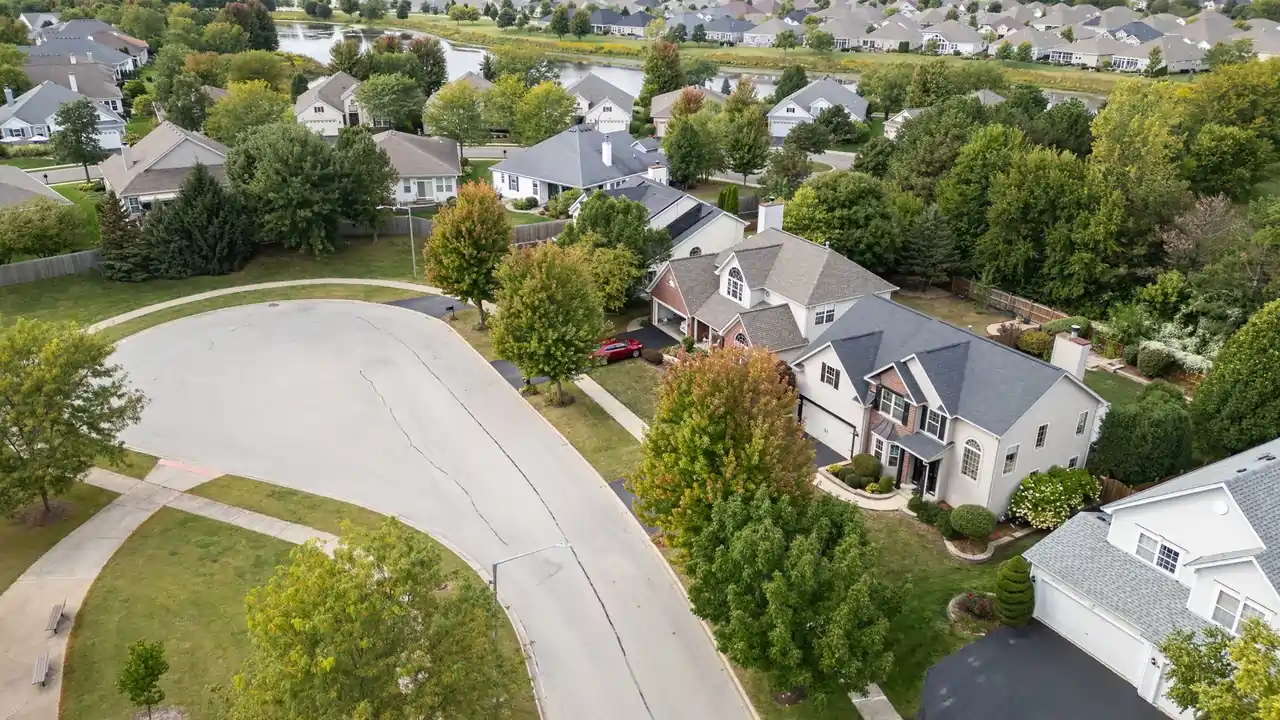
 The Western Suburbs market is shaped by local conditions — not national averages. Understanding what is actually happening in your neighborhood is the most useful input for any real estate decision.
Real estate headlines can be useful, but they often describe national averages that do not match the choices facing a local buyer or seller. The Western Suburbs market is shaped by neighborhood inventory, school calendars, interest-rate sensitivity, relocation patterns, and the number of comparable homes available at a given price point.
Why National Headlines Miss the Point
A national report that says "home prices are up 4%" tells you very little about whether a four-bedroom home in a specific Naperville school district is priced fairly today. Local markets move on local supply and demand — and those conditions can vary significantly from one zip code to the next, or even from one price tier to another within the same neighborhood.
The Signals That Actually Matter
When evaluating the local market, pay attention to practical indicators:
- Days on market — are well-presented homes receiving quick showings and offers, or sitting?
- Price reductions — are reductions concentrated in a specific segment or price range?
- Competing inventory — how many similar homes would a buyer compare against yours right now?
- Inspection flexibility — are buyers waiving contingencies, or are sellers making concessions?
- Pending-to-active ratio — a high ratio of pending sales relative to active listings signals strong demand
How to Read Comparable Sales
Active, pending, and recently closed sales together tell a more complete story than any single data point. A home that closed three months ago in a different condition bracket is less useful than a home that went under contract last week two streets away.
Local neighborhood context — lot sizes, street position, school boundaries — shapes value in ways that national data cannot capture.
Avoiding Overreaction in Both Directions
The right decision should be based on current local evidence rather than broad assumptions. Buyers who panic at a headline about rising rates may miss a well-priced home. Sellers who hold out for a number they read about nationally may watch their listing sit while comparable homes close at realistic prices.
A calm review of active, pending, and recently closed sales can help buyers and sellers understand where they have leverage — and where they need to move carefully.
Working with Someone Who Knows the Market
The most useful market guidance comes from someone who is actively working in the neighborhoods you care about. Scott Gerami has been advising buyers and sellers in Naperville and the Western Suburbs since 1987 — and that depth of local experience is the difference between reacting to headlines and making decisions grounded in what is actually happening on the ground.