Introduction
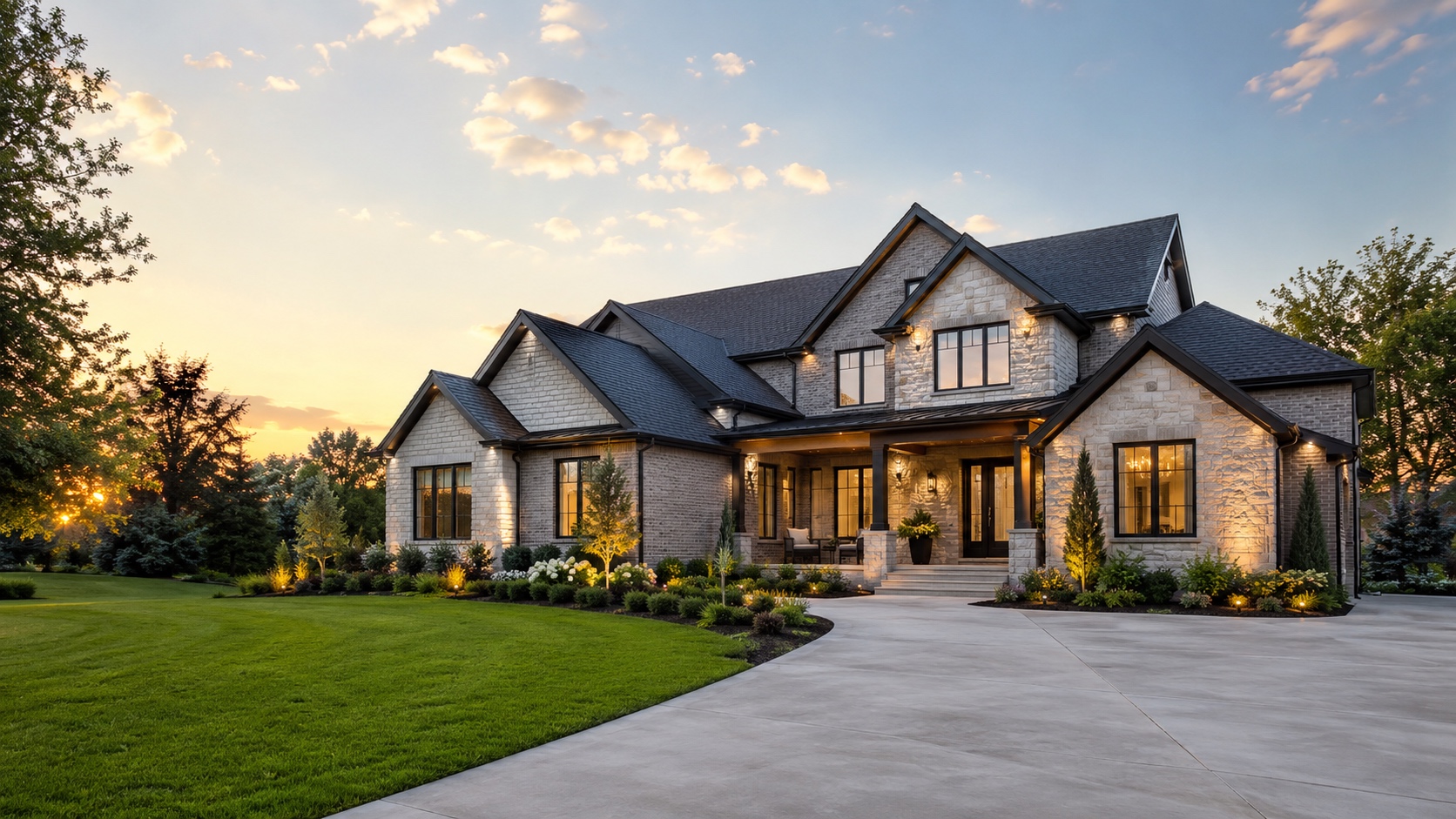
Building a new construction home is one of the most exciting opportunities available to today's home buyers. Unlike purchasing an existing home, new construction allows you to select a community, choose a homesite, personalize finishes, and create a home that reflects your lifestyle and long-term goals.
For many buyers, the idea of building a home is both exciting and overwhelming. Questions about builders, communities, lot selection, contracts, upgrades, financing, inspections, warranties, and timelines can quickly make the process feel more complicated than expected.
The good news is that with proper planning and guidance, building a new home can be a rewarding experience that results in a home designed specifically for your needs.
Naperville continues to be one of the most desirable communities in Illinois for new construction buyers. Its highly rated schools, vibrant downtown, extensive park system, strong local economy, and convenient access to major transportation corridors make it a popular destination for families, professionals, and retirees alike.
However, building a new construction home involves much more than simply choosing a floor plan and selecting paint colors.
Many buyers are surprised to discover that some of the most important decisions occur long before construction begins. Choosing the right builder, selecting the best lot, understanding builder contracts, budgeting for upgrades, and evaluating financing options can have a lasting impact on both your enjoyment of the home and your long-term financial investment.
Throughout my career helping buyers navigate the Naperville real estate market, I have found that the most successful new construction buyers share one thing in common: they educate themselves before making major decisions.
This guide was created to help you do exactly that.
Whether you are building your first home, relocating to Naperville, moving up to a larger property, downsizing into a maintenance-free community, or building your forever home, this guide will provide valuable information to help you make informed decisions throughout the process.
Inside this guide, you'll learn:
- How to choose the right builder
- How to select the best homesite
- What to know before signing a builder contract
- Which upgrades are worth the investment
- Hidden costs many buyers overlook
- Financing strategies for new construction
- Why inspections are still important
- How builder warranties work
- Common mistakes buyers make and how to avoid them
- What to look for when evaluating new construction communities
My goal is simple: to help you approach the new construction process with confidence, avoid costly mistakes, and create a home that meets your needs for years to come.
Building a home is one of the largest financial decisions most people will ever make. The more informed you are before construction begins, the better equipped you'll be to make smart decisions every step of the way.
Let's get started.
About Scott Gerami
Scott Gerami is a Managing Broker with Real Time Realty serving buyers throughout Naperville and Chicago's western suburbs since 1987.
With decades of experience helping buyers purchase new construction homes, existing homes, luxury properties, and investment real estate, Scott provides professional guidance designed to help clients make informed decisions and successfully navigate every stage of the home-buying process.
Chapter 1
How to Choose the Best New Construction Builder in Naperville IL
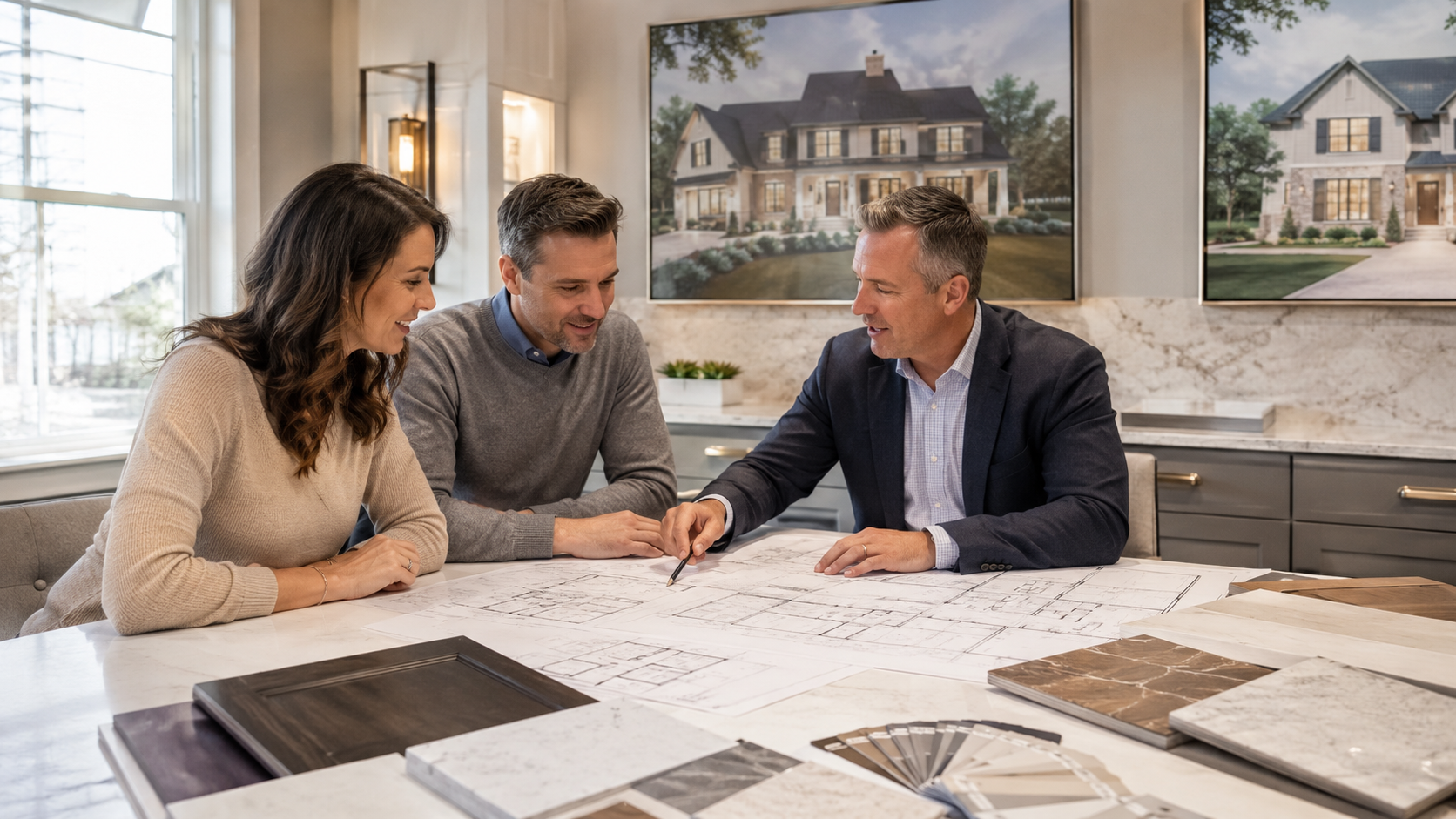
Building a new construction home is one of the largest financial decisions most families will ever make. While buyers often spend significant time comparing floor plans, model homes, and upgrade options, choosing the right builder may be the most important decision of the entire process.
The builder you select will influence everything from construction quality and communication to warranty support and long-term satisfaction with your home.
If you're considering building a new construction home in Naperville or Chicago's western suburbs, understanding how to evaluate builders can help you avoid costly mistakes and ensure a smoother home-building experience.
Why Choosing the Right Builder Matters
Not all builders offer the same level of quality, service, communication, or customization.
A beautiful model home may attract your attention, but what truly matters is the builder's ability to consistently deliver quality homes and provide strong customer service throughout the building process.
The right builder can make the experience enjoyable and rewarding.
The wrong builder can create frustration, delays, unexpected expenses, and long-term warranty concerns.
Before signing a builder contract, it's important to evaluate more than just floor plans and pricing.
Understanding Different Types of Builders
One of the first steps is understanding the differences between production builders, semi-custom builders, and custom home builders.
Production Builders
Production builders construct homes using a limited selection of floor plans within a planned community.
These builders typically offer:
- Predictable pricing
- Faster construction timelines
- Model homes available for touring
- Streamlined design center processes
- Builder financing incentives
Production builders are often a good fit for buyers seeking a more efficient building experience with less complexity.
Semi-Custom Builders
Semi-custom builders provide additional flexibility while still offering established floor plans and building systems.
Buyers may have greater opportunities to:
- Modify floor plans
- Select additional design features
- Customize layouts
- Upgrade finishes
This option often provides a balance between customization and affordability.
Custom Home Builders
Custom builders create homes specifically designed for individual buyers and homesites.
Benefits often include:
- Complete personalization
- Unique architectural designs
- Extensive material selections
- Greater flexibility throughout the building process
Custom homes generally require larger budgets and longer construction timelines but provide the highest level of personalization.
Researching Builder Reputation
Before committing to a builder, spend time researching their reputation and track record.
Online Reviews
Read reviews from multiple sources and look for recurring themes.
Pay attention to comments regarding:
- Communication
- Construction quality
- Warranty support
- Timeliness
- Customer service
Every builder receives occasional negative reviews. Focus on patterns rather than isolated complaints.
Visit Existing Communities
One of the best ways to evaluate a builder is by visiting completed neighborhoods.
Observe:
- Overall curb appeal
- Landscaping quality
- Exterior finishes
- Community appearance
- Long-term maintenance
Well-maintained communities often indicate strong construction standards and satisfied homeowners.
Speak With Current Homeowners
Whenever possible, talk with residents who recently completed the building process.
Ask questions such as:
- Were deadlines met?
- Was communication consistent?
- Were warranty issues addressed promptly?
- Would you build with this builder again?
Their firsthand experience can provide valuable insight.
Evaluate Construction Quality
Model homes are designed to impress buyers.
However, model homes often contain premium upgrades and receive extra attention before opening to the public.
Look beyond cosmetic finishes and evaluate the quality of construction.
Pay attention to:
- Framing consistency
- Trim work
- Cabinet installation
- Flooring transitions
- Paint quality
- Window installation
- Exterior finishes
A builder's attention to detail often reflects their overall construction standards.
Questions Every Buyer Should Ask a Builder
Before signing a contract, ask direct questions about the building process.
How Long Have You Been Building Homes?
Builders with extensive experience often have established relationships with municipalities, subcontractors, inspectors, and suppliers.
How Many Homes Do You Build Each Year?
This can help you understand whether the builder operates on a large production scale or a smaller, more personalized level.
What Warranty Coverage Is Included?
Request detailed information regarding:
- One-year workmanship coverage
- Systems coverage
- Structural warranty coverage
Review all warranty documents carefully before signing.
How Will Construction Updates Be Communicated?
Communication varies significantly between builders.
Ask whether updates are provided through:
- Scheduled meetings
- Online portals
- Email updates
- Site visits
Consistent communication can reduce stress throughout the construction process.
What Is Included in the Base Price?
Many buyers discover that model homes contain tens of thousands of dollars in upgrades that are not included in the advertised starting price.
Request a complete list of standard features.
Builder Communication Can Make or Break the Experience
One of the most common complaints from new construction buyers involves poor communication.
Even quality builders can create frustration if expectations are not clearly communicated.
Strong builders typically provide:
- Regular updates
- Prompt responses
- Clear timelines
- Transparent explanations of delays
- Organized construction meetings
Communication becomes especially important when weather delays, material shortages, or permit issues arise.
Scott's Tips
During the sales process, pay close attention to how responsive the builder's team is. The level of communication you receive before signing a contract often reflects the level of communication you'll receive throughout construction.
Understanding Builder Warranties
Builder warranties provide important protection after closing.
Most builders offer several levels of warranty coverage.
One-Year Workmanship Warranty
Typically covers:
- Drywall issues
- Paint concerns
- Trim adjustments
- Cosmetic corrections
Two-Year Systems Warranty
May cover:
- Plumbing systems
- Electrical systems
- HVAC components
Ten-Year Structural Warranty
Often covers major structural defects involving the foundation and structural framing.
Warranty coverage varies significantly between builders, so always review the details carefully.
Compare More Than Just Price
Many buyers automatically gravitate toward the lowest-priced builder.
While price is important, it should never be the only factor.
A lower price may result in:
- Fewer standard features
- Lower-quality materials
- Limited warranty support
- Additional upgrade costs
Consider the total value offered rather than simply comparing base prices.
Red Flags to Watch For
Be cautious if a builder:
- Avoids answering questions directly
- Refuses to provide references
- Has consistent warranty complaints
- Uses high-pressure sales tactics
- Provides vague timelines
- Cannot clearly explain pricing
Trust your instincts when evaluating potential builders.
The Importance of Professional Representation
Many buyers assume they do not need a real estate professional when purchasing new construction.
However, the builder's sales representative works for the builder—not the buyer.
An experienced real estate professional can help:
- Compare builders
- Evaluate communities
- Review contracts
- Explain upgrade options
- Coordinate inspections
- Protect your interests throughout the process
Professional guidance can help buyers avoid costly mistakes while making informed decisions.
Scott's Tips
Builder contracts are designed to protect the builder. Having an experienced real estate professional and, when appropriate, a real estate attorney review important documents can provide valuable protection throughout the transaction.
Final Thoughts
Choosing the best new construction builder in Naperville requires more than simply touring model homes and comparing floor plans.
By researching builder reputation, evaluating construction quality, reviewing warranty coverage, understanding communication expectations, and comparing overall value rather than just price, buyers can make more informed decisions and enjoy a smoother building experience.
The builder you choose will have a lasting impact on your experience and your satisfaction with your new home for years to come.
Taking the time to thoroughly evaluate your options before signing a contract can help ensure your dream home becomes a reality.
Chapter 2
How to Choose the Right Lot When Building a New Home in Naperville IL
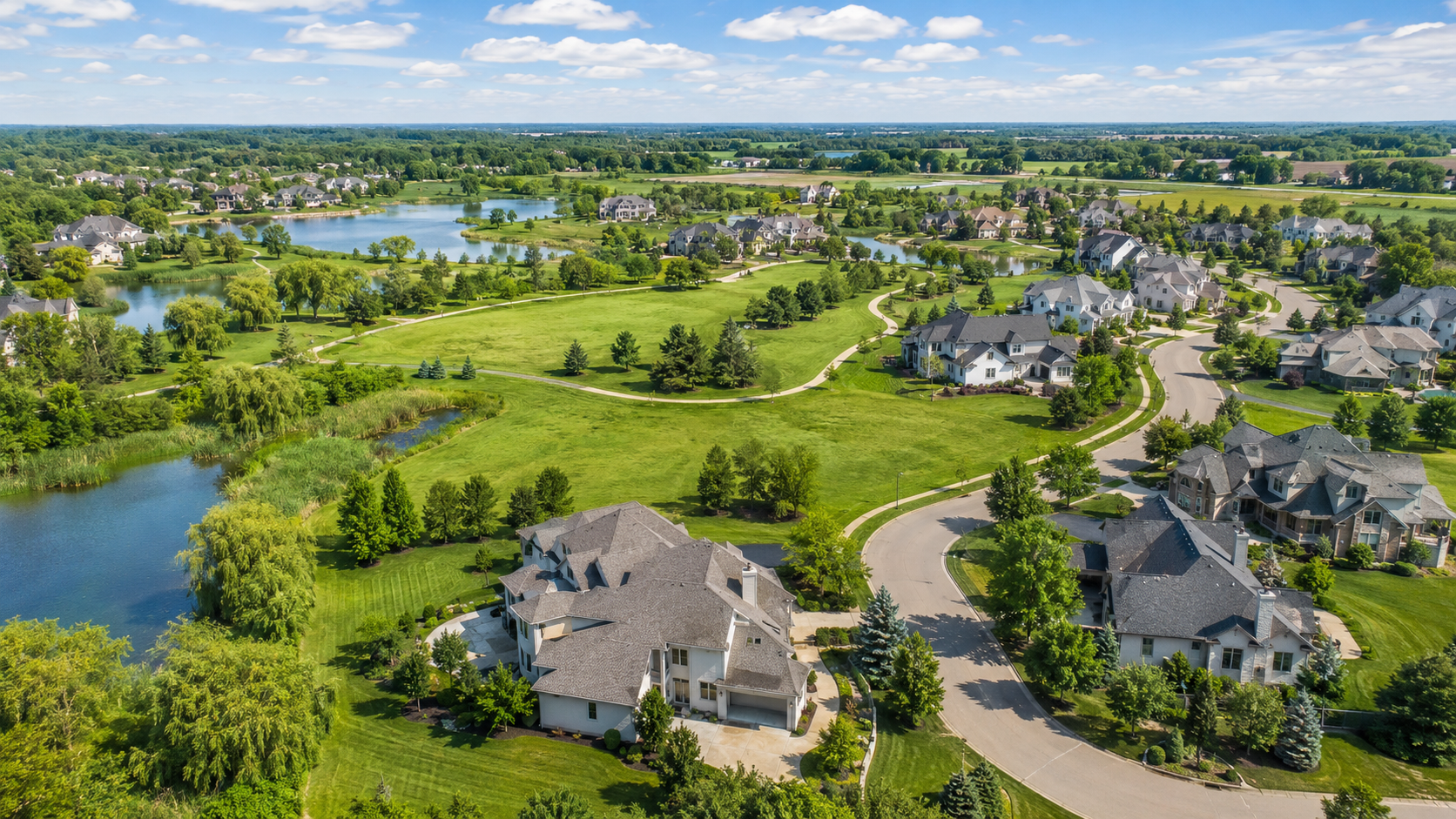
When building a new construction home, many buyers spend countless hours selecting cabinets, flooring, countertops, and paint colors. Surprisingly, some spend only a few minutes evaluating one of the most important decisions of the entire process: the lot.
The reality is simple.
Flooring can be replaced.
Countertops can be upgraded.
Paint colors can be changed.
The lot cannot.
Choosing the right lot can impact your daily enjoyment, privacy, resale value, future marketability, and even the amount of natural light your home receives. In many cases, a great lot will provide more long-term value than expensive interior upgrades.
If you're building a new construction home in Naperville or Chicago's western suburbs, understanding how to evaluate homesites can help you make a smarter long-term investment.
Why Lot Selection Matters
Many buyers underestimate the importance of lot selection because they are focused on the excitement of choosing a floor plan and designing their new home.
However, the lot influences numerous aspects of homeownership, including:
- Privacy
- Backyard usability
- Sun exposure
- Views
- Noise levels
- Future resale value
- Property maintenance
- Landscaping opportunities
Two identical homes built by the same builder can have dramatically different resale values simply because of their location within the community.
Understanding Lot Premiums
Builders often charge additional fees known as lot premiums for homesites considered more desirable.
A lot premium is an additional amount added to the base price of the home due to the location, view, size, or characteristics of the lot.
Premiums vary significantly and may range from a few thousand dollars to substantially more depending on the community.
Common reasons for lot premiums include:
- Pond views
- Open space views
- Cul-de-sac locations
- Walkout basement opportunities
- Larger homesites
- Premium corner locations
Before purchasing, always ask for a complete list of available lots and their associated premiums.
Interior Lots
Interior lots are generally the most affordable option within a community.
Advantages
- Lower purchase price
- More inventory choices
- Often centrally located within the neighborhood
Potential Drawbacks
- Less privacy
- Smaller yard sizes in some communities
- Limited views
For many buyers, an interior lot provides an excellent balance between affordability and functionality.
Cul-de-Sac Lots
Cul-de-sac lots remain among the most desirable homesites for families.
Because they are located at the end of a dead-end street, these lots often experience significantly less traffic.
Benefits
- Reduced traffic
- Increased privacy
- Larger lot configurations
- Family-friendly environment
Considerations
- Often carry higher lot premiums
- May have irregular backyard shapes
Many buyers consider cul-de-sac lots worth the additional investment due to their long-term desirability.
Corner Lots
Corner lots are located where two streets intersect.
While they often provide additional space, they also come with unique considerations.
Advantages
- Larger lot size
- Increased visibility
- Additional parking opportunities
Potential Drawbacks
- More sidewalk maintenance
- Additional snow removal responsibilities
- Increased traffic exposure
Corner lots are often preferred by buyers who appreciate larger yards and a more open feel.
Pond Lots
Pond lots are among the most visually appealing homesites available in many new construction communities.
Benefits
- Water views
- Enhanced privacy
- Strong resale appeal
- Scenic outdoor environment
Considerations
- Higher lot premiums
- HOA restrictions may apply
- Increased exposure to wildlife
Homes backing to water often maintain strong buyer demand due to their unique setting.
Open Space Lots
Lots backing to open space remain extremely popular throughout Naperville and surrounding communities.
Open space may include:
- Walking trails
- Nature areas
- Parks
- Preserved land
- Community green space
Advantages
- Fewer rear neighbors
- Enhanced privacy
- Attractive views
- Strong resale potential
Many buyers consider these homesites among the most desirable options available.
Walkout Basement Lots
A walkout basement lot allows direct access from the basement level to the backyard.
These lots are often considered premium homesites because they create additional usable living space and improve natural lighting.
Benefits
- Direct backyard access
- Increased natural light
- Higher perceived value
- Greater finishing possibilities
Finished walkout basements are frequently among the most desirable features for future buyers.
Lookout Basement Lots
A lookout basement provides larger basement windows and increased natural light without the full grade change required for a walkout basement.
Benefits
- Brighter basement environment
- Lower cost than walkout lots
- Improved future finishing opportunities
Many buyers find lookout basements provide an excellent compromise between standard and walkout basement configurations.
Evaluating Sun Exposure
One frequently overlooked factor is the orientation of the home on the lot.
Sun exposure can influence:
- Interior brightness
- Outdoor enjoyment
- Utility costs
- Snow and ice accumulation
South-Facing Backyards
Often preferred by buyers who want maximum sunlight throughout the day.
North-Facing Backyards
May provide more shade during summer months.
East-Facing Backyards
Offer morning sunlight and cooler afternoons.
West-Facing Backyards
Provide afternoon and evening sun, which can be desirable for outdoor entertaining.
There is no universally perfect orientation. The best choice depends on your lifestyle preferences.
Consider Future Development
When evaluating a lot, look beyond what exists today.
Ask questions such as:
- Will additional phases be built nearby?
- Is open space protected?
- Could commercial development occur nearby?
- Are future roads planned?
A beautiful view today may look very different several years from now.
Understanding future development plans can help avoid surprises.
Pay Attention to Nearby Roads
Lots located near major roads may offer convenience but can also experience:
- Increased traffic noise
- Headlight exposure
- Reduced privacy
Visit the property during different times of day to better understand traffic patterns.
Consider Backyard Functionality
Not all lots are equally usable.
Evaluate:
- Yard shape
- Slope
- Drainage
- Space for patios
- Space for future pools
- Play areas
- Outdoor entertaining opportunities
A larger lot is not always better if much of the yard is difficult to use.
Scott's Tip
When deciding between expensive interior upgrades and a premium lot, I often recommend prioritizing the lot.
The lot impacts your enjoyment and resale value for as long as you own the home.
Many upgrades can be completed later.
The lot is permanent.
Common Lot Selection Mistakes
Focusing Only on Price
The least expensive lot is not always the best value.
Ignoring Future Development
Future construction can dramatically change views and privacy.
Underestimating Traffic
Visit the community during multiple times of day.
Forgetting About Sun Exposure
Consider how sunlight will affect your lifestyle.
Overlooking Backyard Usability
Evaluate how you will actually use the outdoor space.
Final Thoughts
Choosing the right lot is one of the most important decisions you'll make when building a new construction home.
While kitchens, flooring, and finishes often receive the most attention, the lot ultimately determines many aspects of your daily living experience and long-term resale value.
By understanding lot premiums, evaluating privacy, considering future development, analyzing sun exposure, and thinking about long-term usability, buyers can make more informed decisions and avoid common mistakes.
A thoughtfully selected homesite can enhance your enjoyment of your new home for years to come.
Chapter 3
Understanding Builder Contracts: What Every New Construction Buyer Should Know
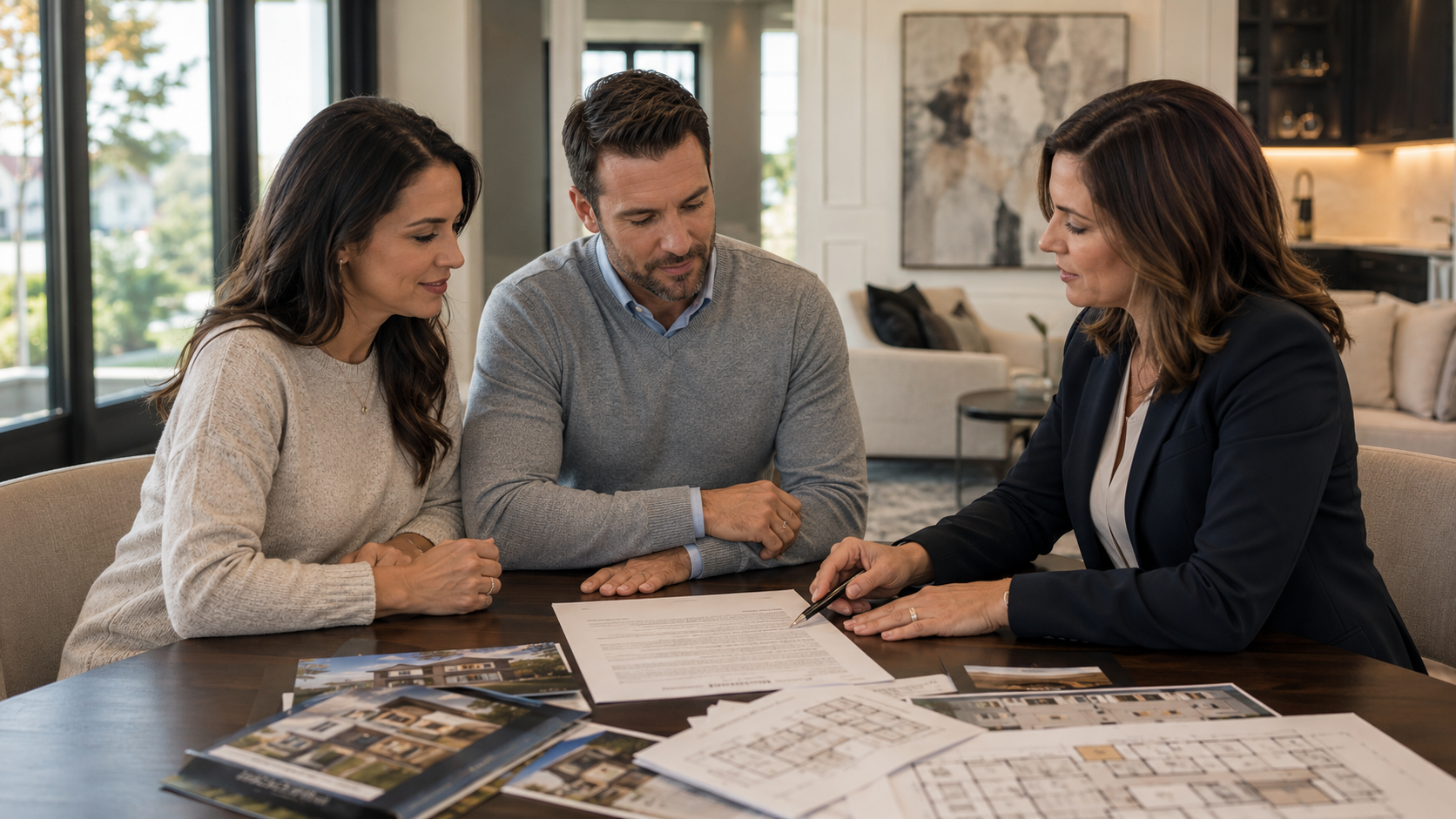
One of the biggest surprises for many new construction buyers is discovering that builder contracts are very different from traditional residential real estate contracts.
When purchasing an existing home, buyers typically use standardized contracts that are familiar to real estate professionals, lenders, and attorneys. New construction contracts, however, are drafted by the builder and are designed primarily to protect the builder's interests.
That does not mean buyers should be concerned, but it does mean they should carefully review the agreement and fully understand their rights and obligations before signing.
A builder contract is one of the most important documents you will sign during the home-building process. Understanding the key provisions can help prevent misunderstandings, unexpected expenses, and unnecessary stress.
Why Builder Contracts Are Different
Unlike a traditional resale transaction where both parties negotiate using a standardized purchase agreement, builders typically use proprietary contracts prepared by their legal team.
These contracts often include:
- Construction timelines
- Deposit requirements
- Upgrade policies
- Change order procedures
- Builder protections
- Warranty information
- Financing requirements
Because the builder is constructing a home over many months rather than selling an existing property, the contract must address issues that do not exist in a traditional transaction.
Understanding Earnest Money and Deposits
Most builders require an initial earnest money deposit when the contract is signed.
In addition, buyers may be required to make additional deposits during the construction process.
Common Deposit Structures
Builders may require:
- Initial earnest money
- Design center deposits
- Structural upgrade deposits
- Additional milestone payments
The amount varies depending on the builder, home price, and level of customization.
Are Deposits Refundable?
This is one of the most important questions buyers should ask.
In many cases:
- Earnest money may become non-refundable after certain deadlines.
- Design center selections may be non-refundable once materials are ordered.
- Structural upgrades may be non-refundable after construction begins.
Always review the contract carefully and understand exactly when deposits become non-refundable.
Scott's Tip
Never assume deposits are refundable simply because construction has not started. Always ask for clarification and obtain answers in writing.
Construction Timelines and Completion Dates
One of the most misunderstood aspects of builder contracts involves construction timelines.
Many buyers focus on the estimated completion date without realizing that the contract often allows for reasonable delays beyond the builder's control.
Common causes of delays include:
- Weather conditions
- Material shortages
- Labor shortages
- Permit delays
- Utility installation delays
- Supply chain disruptions
Builders typically provide estimated completion dates rather than guaranteed closing dates.
Planning Your Move
Because delays can occur, buyers should avoid making major plans based solely on an estimated closing date.
Consider:
- Lease expiration dates
- School enrollment timing
- Moving company scheduling
- Temporary housing options
Building flexibility into your plans can significantly reduce stress.
Understanding Change Orders
Many buyers decide to make changes after construction begins.
These changes are referred to as change orders.
Examples include:
- Upgrading flooring
- Moving electrical outlets
- Adding lighting
- Modifying cabinetry
- Adjusting plumbing fixtures
While changes may seem simple, they often create additional costs and delays.
Why Change Orders Can Be Expensive
A modification may require:
- New materials
- Additional labor
- Administrative processing
- Construction scheduling changes
As a result, costs can quickly increase.
The earlier decisions are finalized, the smoother the construction process typically becomes.
Builder Upgrade Pricing
Many buyers are surprised by upgrade pricing.
Builder upgrades often cost more than similar improvements completed after closing.
However, there are situations where builder upgrades make sense.
Examples include:
- Additional electrical wiring
- Plumbing rough-ins
- Structural modifications
- Expanded garages
- Higher ceilings
These upgrades are often much more expensive to add later.
Scott's Tip
Prioritize upgrades that are difficult to change after construction. Cosmetic upgrades can often be completed later for less money.
Understanding Allowances and Standard Features
Every builder provides a list of standard features included in the base price.
Buyers should carefully review this information.
Questions to ask include:
- What flooring is included?
- What countertops are standard?
- Which appliances are included?
- Are landscaping packages included?
- Is a deck included?
- Are window treatments included?
Many model homes contain upgrades that are not included in the advertised starting price.
Financing Contingencies
Traditional home purchase contracts often include financing contingencies that protect buyers if they are unable to obtain a mortgage.
Builder contracts may handle financing differently.
Some builders:
- Require mortgage pre-approval
- Encourage use of preferred lenders
- Offer lender incentives
- Establish financing deadlines
Always understand your financing obligations before signing.
Builder Preferred Lenders
Many builders offer incentives through preferred lenders.
Examples may include:
- Closing cost credits
- Interest rate incentives
- Upgrade allowances
- Design center credits
While these incentives can be valuable, buyers should still compare multiple financing options.
The best overall financing package may not always come from the builder's lender.
Understanding Escalation Clauses
In recent years, some builders included escalation clauses allowing adjustments for increased material costs.
While these clauses have become less common, buyers should still review contracts carefully for language involving:
- Material cost increases
- Construction cost adjustments
- Supply chain disruptions
If unclear, ask for an explanation before signing.
Warranty Provisions
Builder contracts typically include information regarding warranty coverage.
Review:
- Coverage periods
- Claim procedures
- Exclusions
- Homeowner responsibilities
Understanding warranty requirements before closing can prevent confusion later.
The Final Walkthrough
Prior to closing, buyers will usually participate in a final walkthrough.
This is your opportunity to inspect the completed home and identify any issues requiring attention.
Common punch list items include:
- Paint touch-ups
- Trim adjustments
- Cabinet repairs
- Flooring concerns
- Appliance issues
Document all concerns and confirm how the builder plans to address them.
Why Professional Representation Matters
Many buyers assume they do not need professional representation when purchasing new construction.
However, the builder's sales representative works for the builder.
Their role is to represent the builder's interests.
An experienced real estate professional can help buyers:
- Understand contract terms
- Compare builder offerings
- Evaluate upgrade decisions
- Coordinate inspections
- Identify potential concerns
Professional guidance often helps buyers avoid mistakes that can become costly later.
Scott's Tip
Consider having a real estate attorney review the builder contract before signing, particularly for custom homes, luxury homes, or large financial commitments.
Red Flags to Watch For
Be cautious if a builder:
- Refuses to explain contract provisions
- Avoids providing documentation
- Pressures you to sign immediately
- Provides vague answers regarding deposits
- Cannot clearly explain timelines
A reputable builder should be willing to answer questions and explain the agreement thoroughly.
Final Thoughts
Builder contracts are far more detailed than traditional home purchase agreements and should never be treated as routine paperwork.
Taking the time to understand deposits, timelines, change orders, financing requirements, warranties, and builder responsibilities can help buyers make informed decisions and avoid unnecessary surprises.
The goal is not simply to sign a contract.
The goal is to fully understand the agreement before committing to one of the largest financial decisions of your life.
Chapter 4
The Ultimate New Construction Upgrade Guide: Where to Spend, Where to Save, and Which Upgrades Add the Most Resale Value
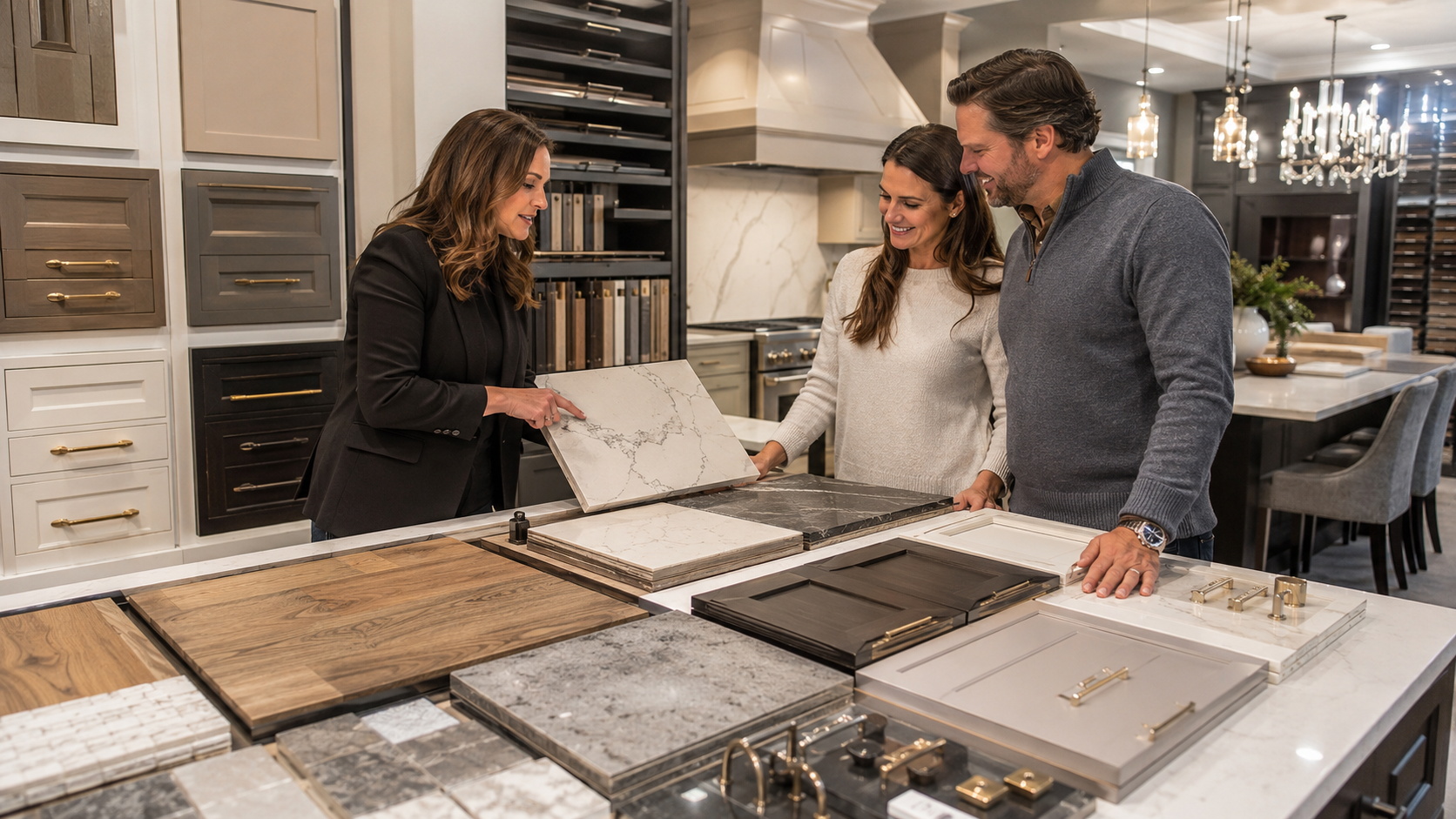
One of the most exciting parts of building a new construction home is visiting the design center and personalizing your home.
It's also where many buyers make some of their most expensive mistakes.
Builders offer hundreds of upgrade options ranging from structural changes and technology packages to flooring, cabinetry, lighting, and luxury finishes. While some upgrades provide long-term value and improve daily living, others can significantly increase costs with little impact on future resale value.
The key is understanding where to invest your budget and where you may be better off making improvements after closing.
This guide will help you prioritize upgrades strategically so you can enjoy your new home while protecting your investment.
Start With a Budget Before Visiting the Design Center
One of the biggest mistakes buyers make is walking into the design center without a clear upgrade budget.
The excitement of building a new home can make it easy to justify "just one more upgrade."
Before selecting any options, determine:
- Maximum upgrade budget
- Monthly payment comfort level
- Long-term ownership plans
- Future improvement plans
Having a predetermined budget helps prevent emotional spending.
The Most Important Rule: Spend Money Behind the Walls First
Whenever possible, prioritize upgrades that are difficult, disruptive, or expensive to add later.
These upgrades often provide the greatest long-term value.
Examples include:
- Additional electrical wiring
- Plumbing rough-ins
- Expanded garages
- Additional bathrooms
- Higher ceilings
- Structural changes
- Basement enhancements
Cosmetic features can often be added later.
Structural features cannot.
Scott's Tip
If you're deciding between upgraded cabinet hardware and additional electrical outlets, choose the electrical upgrades. You can change cabinet hardware in an afternoon. Rewiring walls later is much more expensive.
Structural Upgrades Worth Considering
Structural upgrades often deliver the highest return on investment because they fundamentally improve how the home functions.
Additional Square Footage
Adding living space during construction is usually far less expensive than adding an addition later.
Potential options include:
- Expanded family rooms
- Larger kitchens
- Extended garages
- Additional bedrooms
- Expanded primary suites
These improvements can enhance both enjoyment and future resale value.
Higher Ceilings
Higher ceilings can dramatically improve the feel of a home.
Popular options include:
- 9-foot first-floor ceilings
- 10-foot ceilings
- Volume ceilings
- Tray ceilings
These upgrades often make spaces feel larger and more luxurious.
Additional Bathrooms
Bathrooms remain one of the most valuable features for modern buyers.
Adding a bathroom during construction is generally much more cost-effective than adding one after completion.
Basement Upgrades
Many buyers overlook basement opportunities during construction.
Popular options include:
- Lookout basements
- Walkout basements
- Rough-in plumbing
- Additional windows
- Higher basement ceilings
Even if you do not finish the basement immediately, preparing it during construction can save significant money later.
Kitchen Upgrades That Add Value
The kitchen remains one of the most important rooms in any home.
Buyers consistently place a premium on attractive, functional kitchens.
Larger Kitchen Islands
Large islands provide:
- Additional workspace
- Casual dining
- Entertaining space
- Improved traffic flow
This is often one of the most worthwhile upgrades available.
Additional Cabinetry
Storage never goes out of style.
Extra cabinetry often improves both functionality and resale appeal.
Quartz Countertops
Quartz remains one of the most popular countertop choices due to:
- Durability
- Low maintenance
- Modern appearance
Many buyers consider quartz a worthwhile investment.
Appliance Packages
Builders frequently offer upgraded appliance packages.
Before upgrading:
- Compare builder pricing
- Research retail pricing
- Review warranty coverage
In some cases, purchasing appliances after closing may provide better value.
Electrical Upgrades Buyers Rarely Regret
Electrical upgrades are often among the smartest investments because they become difficult and expensive after construction.
Consider:
Additional Outlets
Think beyond current needs.
Future furniture layouts may require additional power locations.
Garage Outlets
Useful for:
- Electric vehicles
- Workshops
- Additional appliances
Exterior Outlets
Helpful for:
- Holiday lighting
- Landscape lighting
- Outdoor entertaining
Network Wiring
Reliable internet access is increasingly important for:
- Remote work
- Streaming
- Smart home devices
Hardwired connections often outperform wireless systems.
Scott's Tip
Walk through the floor plan mentally and imagine where furniture, televisions, computers, and future technology will be located. It's much easier to add outlets during construction than afterward.
Smart Home Upgrades
Many builders now offer smart home packages.
Popular features include:
- Smart thermostats
- Video doorbells
- Smart locks
- Security systems
- Smart lighting controls
These upgrades can improve convenience and appeal to future buyers.
Flooring Upgrades
Flooring can significantly impact the appearance of a home.
Popular upgrades include:
Hardwood Flooring
Benefits include:
- Timeless appearance
- Strong resale appeal
- Long-term durability
Luxury Vinyl Plank Flooring
Increasingly popular because of:
- Water resistance
- Durability
- Lower maintenance
Tile Upgrades
Often used in:
- Bathrooms
- Laundry rooms
- Mudrooms
Focus on durability and timeless design rather than trendy selections.
Bathroom Upgrades Worth Considering
Bathrooms are another area where strategic upgrades can add value.
Popular choices include:
- Larger showers
- Frameless glass enclosures
- Dual vanities
- Additional storage
- Comfort-height toilets
These upgrades often improve daily usability.
Upgrades Often Better Added Later
Not every upgrade needs to be purchased through the builder.
Some options can often be completed more cost-effectively after closing.
Examples include:
Decorative Light Fixtures
Builders frequently charge substantial premiums for upgraded lighting.
Cabinet Hardware
Easy to replace later.
Interior Paint
Can often be completed at lower cost after move-in.
Decorative Mirrors
Generally simple to install independently.
Accent Walls
Often more affordable after closing.
Landscaping and Outdoor Features
Many buyers focus heavily on interior upgrades while overlooking outdoor living spaces.
Potential future projects include:
- Decks
- Patios
- Outdoor kitchens
- Fire pits
- Landscaping enhancements
Understand what is included in the builder's base package and what will require additional investment.
Upgrades That Typically Add Resale Value
While no upgrade guarantees a specific return, buyers often appreciate:
- Premium lots
- Kitchen improvements
- Additional bathrooms
- Hardwood flooring
- Finished basements
- Energy-efficient features
- Smart home technology
Focus on improvements that enhance functionality and broad buyer appeal.
Avoid Over-Personalization
One common mistake is selecting highly customized features that may appeal only to a small group of buyers.
Examples include:
- Extremely bold color choices
- Highly specialized rooms
- Unusual built-ins
- Niche technology systems
Choose upgrades that fit your lifestyle while maintaining broad market appeal.
Scott's Tip
Build the home you want to live in, but avoid making choices that could significantly limit future resale appeal.
Common Upgrade Mistakes
Upgrading Everything
Not every option delivers equal value.
Ignoring Structural Opportunities
Many buyers spend heavily on cosmetics while overlooking structural improvements.
Exceeding Budget
Upgrades can quickly add tens of thousands of dollars to the purchase price.
Following Trends
Timeless design choices often age better than short-lived trends.
Failing to Compare Costs
Some upgrades may be more affordable after closing.
Creating an Upgrade Priority List
I often recommend ranking upgrades in three categories:
Must-Have Upgrades
Features that are difficult or impossible to add later.
Nice-to-Have Upgrades
Features that improve enjoyment but are not essential.
Future Upgrades
Projects that can reasonably be completed after move-in.
This approach helps buyers make thoughtful financial decisions.
Final Thoughts
The design center can be one of the most enjoyable parts of building a new construction home, but it can also become overwhelming.
By prioritizing structural improvements, focusing on long-term value, and understanding which upgrades are best completed during construction versus after closing, buyers can make smarter decisions and maximize their investment.
The goal is not to purchase every available upgrade.
The goal is to create a home that fits your lifestyle, stays within your budget, and maintains strong long-term value.
Chapter 5
Hidden Costs of Building a New Home: Expenses Every New Construction Buyer Should Know
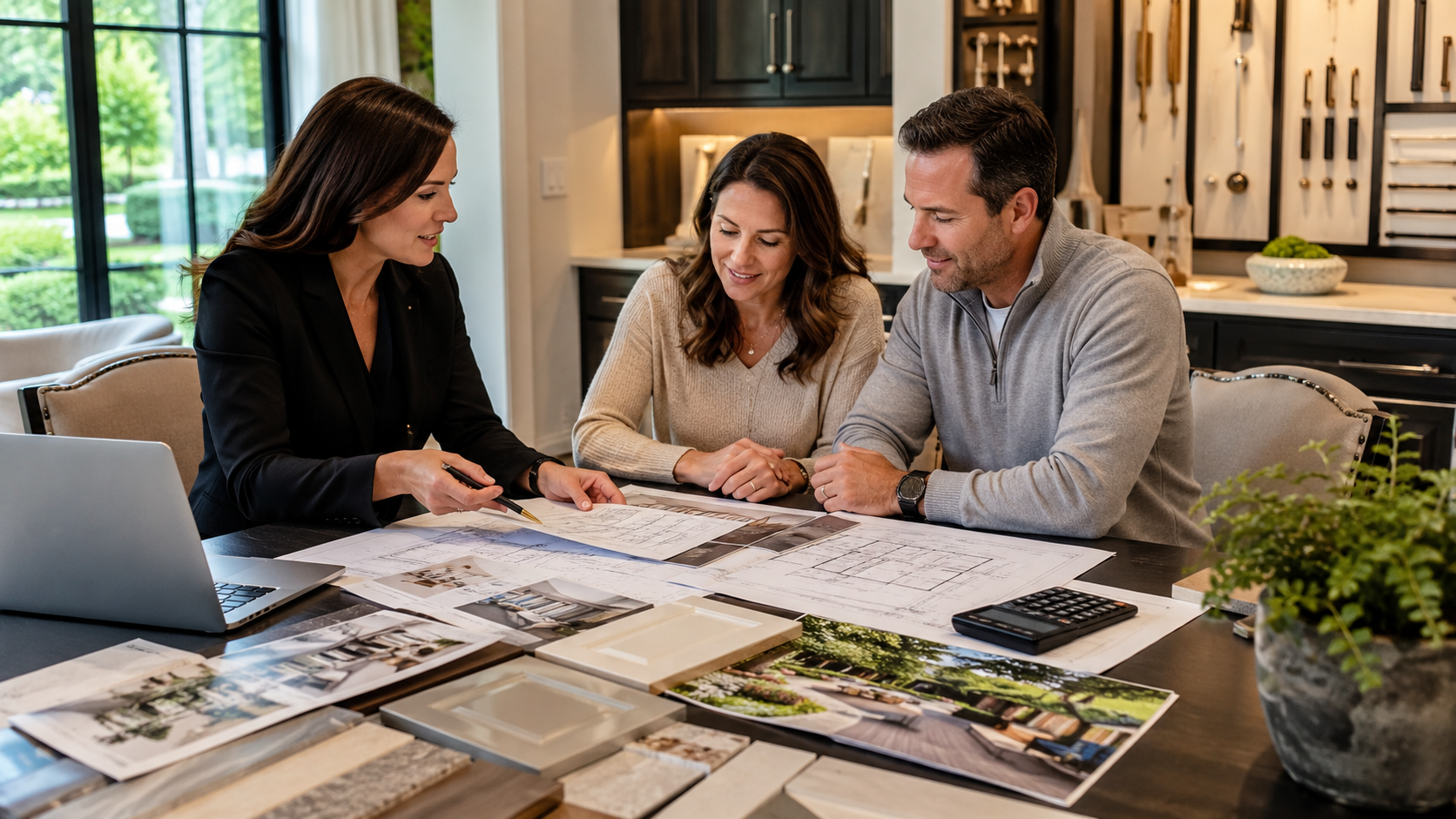
One of the biggest misconceptions about building a new construction home is that the advertised base price represents the final cost of the home.
Unfortunately, many buyers discover too late that the actual investment can be significantly higher once upgrades, lot premiums, landscaping, window treatments, appliances, and other expenses are factored in.
While new construction offers many advantages, understanding the full financial picture before signing a contract can help buyers avoid surprises and make more informed decisions.
The goal isn't to discourage buyers from building a home. Rather, it's to help buyers budget realistically and avoid unexpected costs that can strain finances during the construction process.
Understanding the Difference Between Base Price and Final Price
Builders often advertise an attractive starting price for a particular floor plan.
However, that base price may not include:
- Lot premiums
- Structural upgrades
- Design center selections
- Appliance upgrades
- Landscaping enhancements
- Window treatments
- Outdoor living spaces
As buyers personalize their home, costs can increase quickly.
Understanding potential expenses upfront helps establish realistic expectations.
Lot Premiums
One of the first additional costs many buyers encounter is the lot premium.
Builders frequently charge additional fees for lots that offer desirable characteristics.
Examples include:
- Pond views
- Open space views
- Cul-de-sac locations
- Walkout basement opportunities
- Larger homesites
- Premium corner lots
Depending on the community, lot premiums can range from a few thousand dollars to substantially more.
Scott's Tip
A premium lot often provides more long-term value than expensive cosmetic upgrades. The lot is permanent, while many finishes can be changed later.
Design Center Upgrades
The design center is often where buyers spend the largest amount of additional money.
Common upgrades include:
- Flooring
- Cabinets
- Countertops
- Lighting
- Plumbing fixtures
- Appliances
- Smart home technology
It's not unusual for buyers to spend tens of thousands of dollars in upgrade selections.
Before visiting the design center, establish a realistic upgrade budget and prioritize features that provide long-term value.
Appliance Costs
Many buyers assume all appliances are included in the purchase price.
That is not always the case.
Depending on the builder, certain appliances may be:
- Included
- Partially included
- Optional upgrades
Verify whether the following are included:
- Refrigerator
- Washer
- Dryer
- Range
- Dishwasher
- Microwave
Replacing or upgrading appliances after closing can become a significant expense.
Window Treatments
One of the most commonly overlooked expenses in new construction is window coverings.
A home with dozens of windows may require:
- Blinds
- Shades
- Draperies
- Custom treatments
Many builders do not include window coverings.
Buyers are often surprised by the cost after move-in.
Landscaping Costs
Builder landscaping packages vary significantly.
While some builders include basic landscaping, others may provide only minimal installation.
Potential expenses include:
- Additional trees
- Shrubs
- Flower beds
- Sod upgrades
- Irrigation systems
- Landscape lighting
Many buyers choose to phase landscaping improvements over time.
Decks, Patios, and Outdoor Living Spaces
Outdoor living areas are increasingly important to homeowners.
However, they are frequently not included in the base price.
Potential projects include:
- Decks
- Patios
- Pergolas
- Outdoor kitchens
- Fire pits
- Seating walls
These additions can significantly increase overall project costs.
Fencing
Many buyers plan to install fencing after moving into their new home.
Before budgeting for a fence, verify:
- HOA restrictions
- Community guidelines
- Property line requirements
- Approved materials
Some communities restrict fencing entirely or limit certain styles.
HOA Fees
Many new construction communities include homeowners associations.
HOA fees may cover:
- Common area maintenance
- Landscaping
- Snow removal
- Community amenities
- Clubhouse maintenance
- Pool maintenance
Buyers should understand both current fees and the possibility of future increases.
Property Taxes
Property taxes are frequently misunderstood during the new construction process.
In many cases, the initial tax estimate may be based on:
- Vacant land
- Partially improved property
- Preliminary assessments
Once the home is completed and fully assessed, property taxes often increase.
Understanding future tax obligations helps buyers budget more accurately.
Scott's Tip
Ask your builder, lender, and real estate professional for realistic estimates of future property taxes rather than relying solely on current tax figures.
Utility Connection Fees
Some communities may require fees related to:
- Water service
- Sewer service
- Utility hookups
- Municipal connections
These costs vary by builder and municipality.
Always ask what utility-related fees are included and what expenses may be your responsibility.
Moving Expenses
Many buyers underestimate the cost of relocating.
Potential expenses include:
- Professional movers
- Packing supplies
- Temporary storage
- Utility transfers
- Cleaning services
Moving costs can add up quickly, particularly for larger households.
Furniture and Decor
A larger home often creates additional furnishing needs.
Buyers frequently purchase:
- Living room furniture
- Bedroom furniture
- Dining room furniture
- Area rugs
- Decor items
New construction buyers should avoid spending their entire budget on upgrades while forgetting about furnishing needs after closing.
Smart Home and Technology Costs
Many builders offer basic technology packages, but buyers often choose to expand these systems after move-in.
Additional expenses may include:
- Security cameras
- Home automation systems
- Wi-Fi upgrades
- Smart lighting
- Additional networking equipment
Technology budgets should be considered early in the planning process.
Maintenance Equipment
Many first-time new construction buyers forget to budget for home maintenance equipment.
Examples include:
- Lawn mower
- Snow blower
- Garden tools
- Hose systems
- Storage shelving
These purchases are often necessary shortly after move-in.
Warranty and Maintenance Responsibilities
Although new homes generally require less maintenance than older homes, homeowners should still budget for routine upkeep.
Examples include:
- HVAC maintenance
- Gutter cleaning
- Landscaping maintenance
- Filter replacements
- Seasonal servicing
Proper maintenance helps preserve warranty coverage and protect long-term value.
Creating a Realistic New Construction Budget
One of the best ways to avoid surprises is to build a comprehensive budget before construction begins.
Include:
Home Purchase Costs
- Base price
- Lot premium
- Structural upgrades
Design Center Costs
- Flooring
- Cabinets
- Countertops
- Lighting
- Appliances
Post-Closing Costs
- Landscaping
- Window treatments
- Furniture
- Moving expenses
- Outdoor improvements
Planning for these expenses can reduce stress and improve financial confidence.
Common Budgeting Mistakes
Spending Everything on Upgrades
Leave room for post-closing expenses.
Ignoring Property Tax Increases
Future assessments can significantly impact monthly payments.
Underestimating Landscaping Costs
Outdoor improvements often cost more than expected.
Forgetting About Window Treatments
A common surprise for many buyers.
Not Maintaining Emergency Reserves
Unexpected expenses can occur even with new construction.
Scott's Tip
I encourage buyers to maintain a reserve fund even after closing. A new home reduces many maintenance concerns, but unexpected expenses can still arise.
Final Thoughts
Building a new construction home is an exciting opportunity to create a home tailored to your lifestyle and preferences.
However, understanding the full financial picture is critical.
By planning for lot premiums, upgrades, landscaping, appliances, window treatments, taxes, HOA fees, and other commonly overlooked expenses, buyers can avoid surprises and enjoy a smoother building experience.
The most successful new construction buyers are not necessarily those with the largest budgets.
They are the buyers who plan ahead and understand the true cost of building a home.
Chapter 6
Financing New Construction in Naperville IL: What Every Buyer Should Know
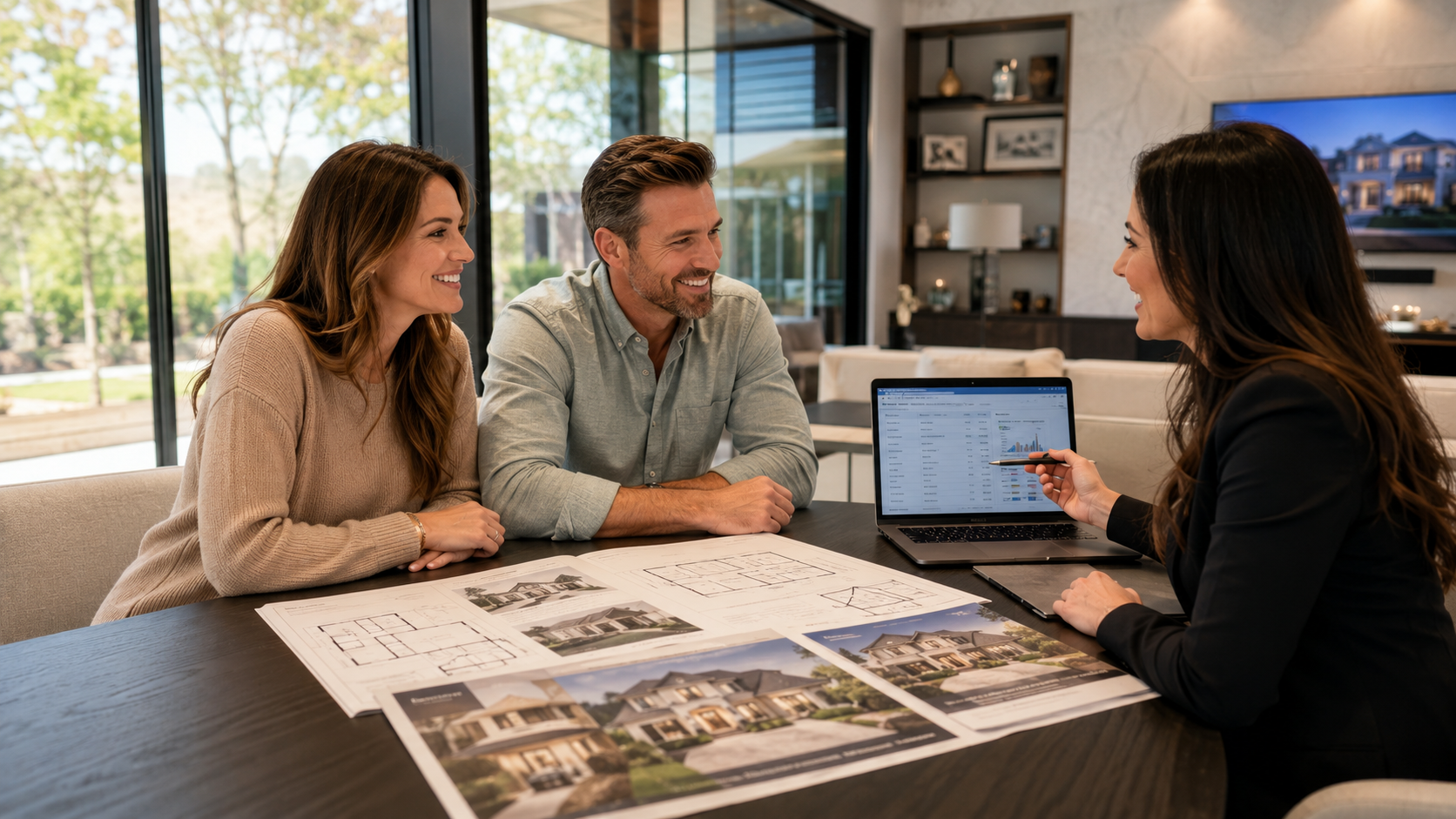
Financing a new construction home is often very different from financing the purchase of an existing home.
Many buyers are surprised to learn that builders, lenders, interest rates, construction timelines, and financing requirements can all impact the overall cost of their new home.
Understanding your financing options before signing a builder contract can help you avoid costly mistakes, maximize builder incentives, and make informed decisions throughout the construction process.
Whether you're purchasing a production home, semi-custom home, or custom home in Naperville or Chicago's western suburbs, a solid financing strategy is an important part of a successful new construction experience.
Why New Construction Financing Is Different
Traditional home purchases typically involve:
- Finding a home
- Submitting an offer
- Obtaining financing
- Closing within 30–60 days
New construction financing often involves a much longer timeline.
In many cases:
- Construction may take 6–12 months
- Interest rates may change
- Property values may fluctuate
- Financing requirements may evolve
As a result, buyers should understand how financing works before construction begins.
Getting Pre-Approved Before Visiting Builders
One of the first steps every buyer should take is obtaining a mortgage pre-approval.
A pre-approval helps:
- Establish a realistic budget
- Identify financing concerns early
- Strengthen your negotiating position
- Prevent disappointment later
Most builders will request proof of financing before accepting a contract.
Information Needed for Pre-Approval
Lenders typically review:
- Income
- Employment history
- Credit score
- Assets
- Debt obligations
Common documents include:
- Tax returns
- Pay stubs
- Bank statements
- W-2 forms
- Identification
Obtaining a pre-approval before visiting model homes helps keep expectations realistic.
Understanding Builder Preferred Lenders
Many builders have relationships with preferred lenders.
In some cases, builders may strongly encourage buyers to use these lenders.
The reason is simple.
Builder-affiliated lenders often help simplify communication and coordination throughout construction.
Benefits of Builder Preferred Lenders
Builder lenders frequently offer incentives such as:
- Closing cost credits
- Design center credits
- Interest rate incentives
- Reduced lender fees
- Extended rate lock programs
These incentives can create meaningful savings.
Potential Drawbacks
While builder lenders often provide attractive incentives, buyers should still compare multiple financing options.
Factors to compare include:
- Interest rates
- Loan fees
- Closing costs
- Rate lock terms
- Customer service
The lender offering the largest incentive may not always provide the best overall financing package.
Scott's Tip
Always compare at least two or three lenders, even if you plan to use the builder's preferred lender. A second opinion can help ensure you're receiving competitive financing terms.
Understanding Interest Rate Locks
Interest rates can change significantly during a lengthy construction timeline.
This creates a challenge for many new construction buyers.
A loan approved today may not close for many months.
What Is a Rate Lock?
A rate lock allows buyers to secure an interest rate for a specified period of time.
Depending on the lender, rate lock options may include:
- 30 days
- 60 days
- 90 days
- 180 days
- Extended construction locks
Longer lock periods often involve additional fees.
Why Rate Locks Matter
Even a small interest rate increase can significantly affect monthly mortgage payments.
Understanding available rate lock programs can help reduce uncertainty during construction.
Float Down Options
Some lenders offer float down provisions.
These programs may allow buyers to:
- Lock a rate today
- Benefit if rates decrease before closing
Availability varies by lender.
Ask questions and review details carefully.
Understanding Down Payment Requirements
Down payment requirements depend on:
- Loan type
- Credit profile
- Property type
- Occupancy status
Many buyers assume new construction requires a larger down payment than resale homes.
In many cases, financing options are similar.
Common Loan Programs
Conventional Loans
Conventional financing remains one of the most common options for new construction buyers.
Benefits include:
- Competitive interest rates
- Flexible loan terms
- Broad builder acceptance
Many conventional buyers choose down payments ranging from 5% to 20%.
FHA Loans
FHA financing can be attractive for buyers seeking lower down payment requirements.
Benefits include:
- Lower minimum down payment
- Flexible credit requirements
Buyers should verify builder acceptance of FHA financing before proceeding.
VA Loans
Eligible military veterans and service members may qualify for VA financing.
Benefits may include:
- No down payment requirement
- Competitive interest rates
- Reduced closing costs
VA financing can be an excellent option for qualified buyers.
Jumbo Loans
Luxury homes often require jumbo financing.
These loans typically involve:
- Higher loan amounts
- Additional documentation
- Larger reserve requirements
Many luxury new construction buyers utilize jumbo loan programs.
Construction Loans vs. Traditional Mortgages
Many buyers hear the term "construction loan" and assume it applies to all new construction homes.
This is not always the case.
Production Homes
Most buyers purchasing homes within builder communities use traditional mortgage financing.
The builder finances construction.
The buyer obtains a mortgage prior to closing.
Custom Homes
Custom home projects may require construction financing.
Construction loans are often structured differently than traditional mortgages and may involve:
- Draw schedules
- Construction inspections
- Interest-only payments during construction
Custom home buyers should discuss financing options early in the planning process.
Understanding Closing Costs
In addition to the down payment, buyers should budget for closing costs.
Potential expenses include:
- Loan origination fees
- Title insurance
- Attorney fees
- Appraisal fees
- Recording fees
- Escrow deposits
Closing costs generally range from 2% to 5% of the purchase price.
Builder Incentives and Credits
Builders frequently use incentives to attract buyers.
Common examples include:
- Closing cost assistance
- Design center credits
- Appliance packages
- Free upgrades
- Rate buydowns
These incentives can provide substantial value.
However, buyers should evaluate the entire transaction rather than focusing solely on incentives.
Credit Scores and Financing
Your credit score can significantly impact:
- Loan approval
- Interest rates
- Monthly payments
- Loan program eligibility
Before beginning the new construction process:
- Review your credit report
- Correct errors
- Avoid opening new accounts
- Minimize major purchases
Protecting your credit profile throughout construction is extremely important.
Avoid Major Financial Changes During Construction
One of the biggest financing mistakes buyers make is changing their financial situation during construction.
Avoid:
- Purchasing vehicles
- Opening credit cards
- Financing furniture
- Changing jobs unnecessarily
- Making large unexplained deposits
Lenders often perform final credit reviews before closing.
Changes can create unexpected complications.
Scott's Tip
Your lender approved you based on your current financial profile. Try to keep that profile as stable as possible until after closing.
Maintaining Cash Reserves
Building a new home often involves unexpected expenses.
Maintaining reserves can help cover:
- Moving costs
- Landscaping
- Window treatments
- Furniture purchases
- Minor repairs
Many financial professionals recommend maintaining emergency reserves even after closing.
Questions to Ask Your Lender
Before committing to a loan program, ask:
- What loan options are available?
- What down payment is required?
- What are the closing costs?
- Are extended rate locks available?
- Are float down options available?
- What builder incentives apply?
- What documentation will be required before closing?
Clear answers can help eliminate surprises later.
Common Financing Mistakes
Focusing Only on Interest Rate
Evaluate the entire loan package, including fees and incentives.
Ignoring Rate Lock Options
Rate volatility can impact affordability.
Not Comparing Lenders
Multiple quotes help ensure competitive financing.
Making Major Purchases During Construction
Protect your loan approval by maintaining financial stability.
Underestimating Closing Costs
Budget carefully for all expenses.
Final Thoughts
Financing a new construction home requires careful planning and a clear understanding of available options.
By obtaining pre-approval early, comparing lenders, understanding rate lock programs, evaluating builder incentives, and maintaining financial stability throughout construction, buyers can position themselves for a successful closing.
The financing decisions you make today can impact your monthly payment and long-term financial picture for years to come.
Taking the time to understand your options can help ensure a smoother and more confident home-buying experience.
Chapter 7
New Construction Inspections Buyers Should Never Skip
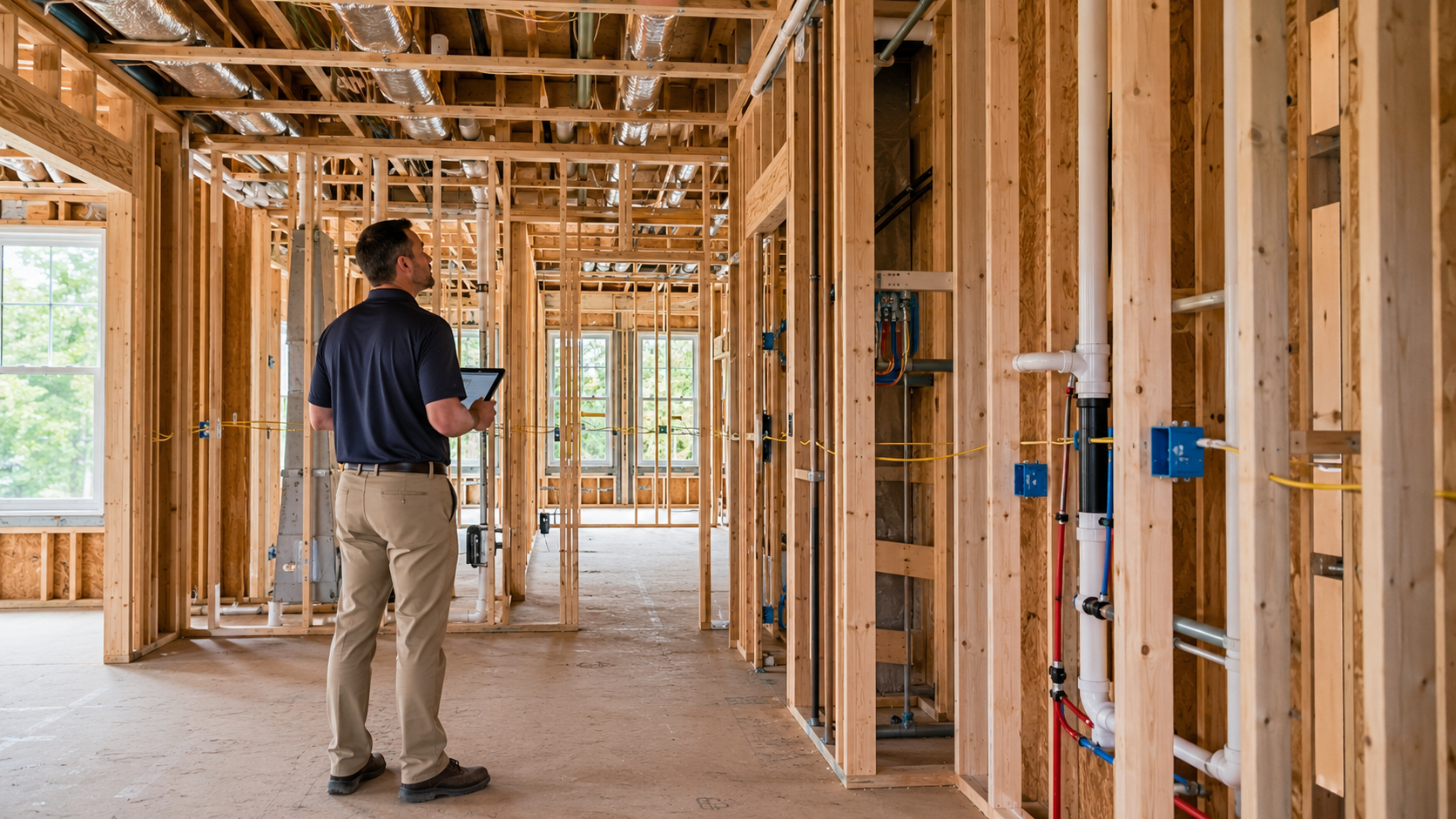
One of the most common misconceptions among new construction buyers is the belief that a brand-new home does not need a home inspection.
After all, if the home is new, built to current codes, and inspected by local municipalities, why would an additional inspection be necessary?
The answer is simple.
Even the best builders can make mistakes.
Subcontractors can overlook details.
Construction schedules can be demanding.
Municipal inspections focus primarily on building code compliance, not necessarily workmanship, quality control, or identifying every issue that may affect a homeowner after closing.
For these reasons, many experienced real estate professionals strongly recommend independent inspections throughout the construction process.
A relatively small investment in inspections can potentially identify issues before they become expensive problems later.
Why New Construction Homes Still Need Inspections
Many buyers assume that new homes are perfect.
In reality, inspectors regularly discover issues involving:
- Plumbing
- Electrical systems
- HVAC installations
- Roofing
- Insulation
- Framing
- Drainage
- Safety concerns
Most builders work hard to deliver quality homes, but new construction involves numerous subcontractors working on tight schedules.
Even minor oversights can become larger problems if not identified early.
Municipal Inspections vs. Private Inspections
A common misunderstanding is believing that municipal inspections replace independent inspections.
They do not.
Municipal Inspections
Municipal inspectors primarily focus on:
- Building code compliance
- Permit requirements
- Safety standards
- Structural requirements
These inspections are often brief and may occur at specific construction milestones.
Private Home Inspections
Independent inspectors work directly for the buyer.
Their focus is often much broader and may include:
- Construction quality
- Installation issues
- Maintenance concerns
- Future problem areas
- Workmanship deficiencies
The two inspection processes serve different purposes.
Scott's Tip
Municipal inspectors work for the municipality. Private inspectors work for you.
The Four Most Important New Construction Inspections
While inspection opportunities vary by builder and construction schedule, there are four key inspections every buyer should understand.
1. Foundation Inspection
The foundation is one of the most important components of the home.
A foundation inspection typically occurs before concrete is poured or shortly after foundation work is completed.
Inspectors may evaluate:
- Footings
- Reinforcement
- Drainage systems
- Foundation preparation
Identifying concerns at this stage is much easier than after construction progresses.
Why Foundation Issues Matter
Problems involving the foundation can affect:
- Structural integrity
- Water management
- Basement performance
- Long-term durability
Although major issues are uncommon, early evaluation provides valuable peace of mind.
2. Pre-Drywall Inspection
Many professionals consider this the most valuable inspection during the entire construction process.
A pre-drywall inspection occurs after:
- Framing
- Electrical work
- Plumbing rough-ins
- HVAC installation
but before drywall is installed.
Because the walls remain open, inspectors can evaluate systems that will soon be hidden from view.
What Inspectors Look For
Potential inspection areas include:
- Framing quality
- Plumbing installations
- Electrical wiring
- HVAC ductwork
- Window installation
- Structural components
This stage offers a unique opportunity to identify concerns before they become difficult to access.
Scott's Tip
If your budget only allows one independent inspection, the pre-drywall inspection is often the inspection I recommend most strongly.
3. Final Inspection
The final inspection typically occurs shortly before closing.
At this stage, the home is substantially complete.
The inspector evaluates:
- Mechanical systems
- Appliances
- Roofing
- Electrical systems
- Plumbing fixtures
- Safety features
- Exterior components
The goal is to identify items requiring correction before closing.
Common Final Inspection Findings
Examples may include:
- Missing caulk
- Improper grading
- HVAC adjustments
- Plumbing leaks
- Cosmetic deficiencies
- Appliance concerns
- Electrical issues
Many items are relatively minor but still worth addressing.
4. Warranty Inspection
Many homeowners are unaware that a warranty inspection can be performed before the expiration of the builder's warranty period.
This inspection often occurs approximately eleven months after closing.
The purpose is to identify issues while warranty coverage remains available.
Benefits of a Warranty Inspection
Potential findings may include:
- Settlement cracks
- HVAC performance issues
- Drainage concerns
- Roof defects
- Insulation issues
- Plumbing concerns
Addressing issues before warranty expiration can save homeowners significant money.
Understanding the Punch List
Prior to closing, buyers typically participate in a final walkthrough with the builder.
This process often includes creating a punch list.
A punch list is simply a list of items requiring correction or completion before or shortly after closing.
Common Punch List Items
Examples include:
- Paint touch-ups
- Trim repairs
- Cabinet adjustments
- Flooring concerns
- Door alignment
- Hardware installation
Document concerns carefully and confirm how they will be addressed.
Exterior Items Often Overlooked
Buyers frequently focus on interior finishes while overlooking exterior conditions.
Inspectors may evaluate:
- Grading
- Drainage
- Gutters
- Downspouts
- Exterior caulking
- Siding
- Roofing
- Concrete surfaces
Proper water management is especially important in protecting long-term property value.
HVAC Inspections
Heating and cooling systems are among the most expensive components in a home.
Inspectors often evaluate:
- Equipment installation
- Airflow performance
- Ductwork connections
- Vent placement
- Thermostat operation
Proper installation can improve comfort, efficiency, and long-term reliability.
Plumbing Inspections
Plumbing concerns may not be visible immediately after construction.
Inspectors may check:
- Water pressure
- Fixture operation
- Drainage performance
- Leak detection
- Water heater installation
Early identification can prevent future damage.
Electrical Inspections
Electrical systems impact both safety and convenience.
Inspectors commonly review:
- Outlet functionality
- GFCI protection
- Panel installation
- Circuit labeling
- Switch operation
Electrical corrections are generally easier to complete before occupancy.
Roofing and Attic Evaluations
Inspectors often review:
- Roof installation
- Flashing details
- Ventilation
- Attic insulation
- Moisture concerns
These components play a major role in long-term durability and energy efficiency.
What Happens If Issues Are Found?
Finding issues during an inspection does not necessarily mean there is a serious problem.
Most findings involve routine corrections.
Builders generally prefer identifying and addressing concerns before they become larger warranty issues.
The inspection report simply provides an opportunity for review and discussion.
Choosing a Qualified Inspector
Not all inspectors have extensive new construction experience.
When selecting an inspector, consider:
- Licensing requirements
- Professional certifications
- New construction experience
- Online reviews
- Sample reports
Ask specifically about their experience inspecting newly built homes.
Scott's Tip
An inspector who primarily evaluates older homes may approach a new construction inspection differently than someone who regularly works with builders and new developments.
Common Inspection Myths
Myth #1: New Homes Don't Have Problems
Even excellent builders occasionally experience construction issues.
Myth #2: Municipal Inspections Are Enough
Municipal and private inspections serve different purposes.
Myth #3: Inspections Create Conflict
Most builders understand the value of independent inspections.
Myth #4: Inspections Are Too Expensive
Compared to the overall cost of a home, inspections are often a relatively small investment.
Why Inspections Protect Your Investment
A home is often one of the largest financial investments a family will make.
Independent inspections help buyers:
- Understand construction quality
- Identify concerns early
- Improve confidence before closing
- Protect warranty rights
- Reduce future repair risks
The goal is not to find fault with the builder.
The goal is to ensure the home performs as intended.
Final Thoughts
Purchasing a new construction home can be an exciting and rewarding experience.
However, buyers should not assume that "new" automatically means "perfect."
Independent inspections provide valuable information and an additional layer of protection throughout the construction process.
By understanding the purpose of foundation inspections, pre-drywall inspections, final inspections, and warranty inspections, buyers can make more informed decisions and better protect their investment.
A small investment in inspections today can help prevent much larger expenses tomorrow.
Chapter 8
Builder Warranties Explained: What New Construction Buyers Need to Know
One of the most attractive benefits of purchasing a new construction home is the warranty protection that typically accompanies the property.
Many buyers appreciate the peace of mind that comes with knowing major systems, components, and structural elements are covered by warranty after closing.
However, one of the most common misconceptions among new construction buyers is assuming that a builder warranty covers everything indefinitely.
The reality is that builder warranties vary significantly between builders, and understanding what is covered—and what is not—can help homeowners avoid frustration and protect their investment.
Before purchasing a new construction home in Naperville or Chicago's western suburbs, it's important to understand how builder warranties work and what responsibilities homeowners have after moving in.
What Is a Builder Warranty?
A builder warranty is a written agreement that outlines the builder's responsibilities for repairing certain defects or issues that arise after construction is completed.
Most builder warranties are designed to address problems related to:
- Workmanship
- Materials
- Mechanical systems
- Structural components
Warranty coverage generally begins at closing and continues for specified periods of time depending on the type of issue.
Why Builder Warranties Matter
Builder warranties provide buyers with protection during the early years of homeownership.
Benefits include:
- Peace of mind
- Reduced repair costs
- Access to warranty service
- Protection against construction defects
- Greater confidence in the purchase
While warranties should never replace independent inspections, they provide an additional layer of protection for homeowners.
Understanding the Typical Warranty Structure
Most builder warranty programs follow a three-tier structure.
These periods may vary by builder, but the general framework is similar throughout the industry.
One-Year Workmanship Warranty
Two-Year Systems Warranty
Ten-Year Structural Warranty
Understanding the differences between these warranty periods is essential.
One-Year Workmanship Warranty
The one-year warranty typically covers defects related to workmanship and materials.
Examples may include:
- Drywall issues
- Nail pops
- Interior trim adjustments
- Door alignment concerns
- Cabinet adjustments
- Minor flooring concerns
- Paint touch-ups
Because homes naturally settle during the first year, some cosmetic issues are common and often addressed through the builder's warranty process.
What Are Nail Pops?
Many homeowners become concerned when they notice small drywall imperfections during the first year.
These are commonly called nail pops.
They occur as framing lumber naturally expands, contracts, and settles.
In many cases, nail pops are considered normal and are addressed during warranty service visits.
Drywall Cracks and Settlement
It is common for new homes to experience minor settlement during the first year.
This may result in:
- Small drywall cracks
- Corner bead separation
- Minor trim gaps
Most builders consider these conditions normal and provide procedures for reporting and correcting them.
Scott's Tip
Keep a running list of minor warranty items throughout the first year rather than submitting separate requests for every small issue. Many builders perform a scheduled warranty visit near the end of the first year.
Two-Year Systems Warranty
The systems warranty typically covers mechanical systems serving the home.
Examples often include:
- Plumbing systems
- Electrical systems
- HVAC systems
The purpose of this coverage is to protect homeowners from defects involving essential operating systems.
Plumbing Coverage
Examples may include:
- Pipe defects
- Improper installation
- Certain plumbing leaks
Coverage varies by builder, so homeowners should review documentation carefully.
Electrical Coverage
Potential examples include:
- Defective wiring
- Electrical system malfunctions
- Certain installation-related issues
Homeowners should report electrical concerns promptly.
HVAC Coverage
Heating and cooling systems represent some of the most expensive components within a home.
Warranty coverage may include:
- Installation defects
- Certain equipment failures
- System performance concerns
Regular maintenance is often required to maintain warranty protection.
Ten-Year Structural Warranty
The structural warranty typically provides the longest coverage period.
This warranty generally applies to major structural components.
Examples may include:
- Foundation systems
- Load-bearing walls
- Structural framing
- Certain structural roof components
Structural warranties are designed to address significant defects that affect the safety or stability of the home.
What Is Not Covered by Structural Warranties?
Many homeowners mistakenly assume structural warranties cover all construction issues.
Most structural warranties do not cover:
- Cosmetic concerns
- Routine maintenance
- Wear and tear
- Landscaping
- Appliances
- Homeowner neglect
Review the warranty documentation carefully to understand exclusions.
Understanding Warranty Exclusions
Every warranty includes limitations.
Common exclusions may involve:
- Normal settling
- Homeowner damage
- Improper maintenance
- Acts of nature
- Storm damage
- Flooding
- Landscaping concerns
Knowing what is excluded can help establish realistic expectations.
Homeowner Maintenance Responsibilities
A builder warranty is not a substitute for regular maintenance.
Homeowners are generally responsible for maintaining:
- Gutters
- HVAC systems
- Landscaping
- Caulking
- Exterior surfaces
- Drainage systems
Failure to maintain the property properly can sometimes affect warranty coverage.
Scott's Tip
Save all maintenance records and receipts. Documentation can be valuable if warranty questions arise later.
Appliances and Manufacturer Warranties
Many appliances included with new homes carry separate manufacturer warranties.
Examples may include:
- Refrigerators
- Dishwashers
- Ovens
- Washers
- Dryers
- Water heaters
In many cases, homeowners work directly with the manufacturer rather than the builder when appliance issues arise.
How to Submit a Warranty Claim
Each builder follows its own warranty process.
Common steps include:
Step 1: Review Warranty Documentation
Understand what is covered before submitting a claim.
Step 2: Document the Issue
Take photographs and maintain written notes.
Step 3: Submit a Warranty Request
Follow the builder's established procedures.
Step 4: Schedule Service
The builder will typically evaluate the concern and determine whether warranty coverage applies.
Why Documentation Matters
Good documentation can help avoid misunderstandings.
Keep records of:
- Emails
- Photographs
- Service requests
- Inspection reports
- Maintenance records
Organized documentation often simplifies the warranty process.
The Importance of the Eleven-Month Warranty Inspection
One of the smartest investments a homeowner can make is a warranty inspection before the expiration of the one-year workmanship warranty.
A professional inspector can identify concerns that may not be obvious to homeowners.
Examples include:
- Settlement issues
- Roofing concerns
- HVAC performance issues
- Insulation deficiencies
- Drainage problems
This allows homeowners to submit warranty claims before coverage expires.
Scott's Tip
Schedule a warranty inspection approximately eleven months after closing. This timing provides an opportunity to address concerns while warranty protection remains active.
Common Warranty Misunderstandings
"Everything Is Covered"
No builder warranty covers every possible issue.
"I Don't Need Maintenance"
Routine maintenance remains the homeowner's responsibility.
"Structural Warranty Covers Everything"
Structural warranties are limited to major structural defects.
"Municipal Inspections Eliminate the Need for Warranty Coverage"
Even well-built homes can experience issues after occupancy.
Questions to Ask Before Buying
Before signing a builder contract, ask:
- What warranty coverage is included?
- How are warranty claims submitted?
- What is excluded from coverage?
- Are third-party warranty companies involved?
- What maintenance responsibilities belong to the homeowner?
The answers can help you better understand your long-term responsibilities.
Choosing Builders With Strong Warranty Reputations
A warranty is only as good as the builder standing behind it.
Research:
- Online reviews
- Customer experiences
- Warranty satisfaction ratings
- Post-closing service reputation
A builder's responsiveness after closing can be just as important as the quality of construction itself.
Final Thoughts
Builder warranties provide valuable protection and peace of mind for new construction homeowners.
However, understanding warranty coverage, exclusions, maintenance responsibilities, and claim procedures is essential for maximizing that protection.
By reviewing warranty documentation carefully, maintaining your home properly, documenting concerns, and scheduling an eleven-month warranty inspection, you can help protect your investment and enjoy your new home with confidence.
The best warranty experience begins long before a claim is ever submitted.
It begins with understanding how the warranty works.
Chapter 9
Common Mistakes New Construction Buyers Make and How to Avoid Them
Building a new construction home can be one of the most exciting experiences in the home-buying process. Buyers have the opportunity to personalize their home, select finishes, choose a community, and enjoy the benefits of modern construction.
However, the excitement of building a home can sometimes lead buyers to overlook important details that affect both their finances and long-term satisfaction.
After helping buyers navigate new construction purchases throughout Naperville and Chicago's western suburbs for decades, I've seen many of the same mistakes repeated over and over again.
The good news is that most of these mistakes are completely avoidable with proper planning, professional guidance, and realistic expectations.
Understanding these common pitfalls can help you make smarter decisions throughout the building process and avoid costly surprises.
Mistake #1: Choosing a Builder Based Solely on Price
Many buyers naturally focus on price when comparing builders.
While budget is important, selecting a builder based solely on the lowest price can sometimes lead to disappointment.
A lower price may result from:
- Fewer standard features
- Lower-quality materials
- Reduced customization options
- Limited warranty support
- Additional upgrade expenses
The lowest-priced builder is not always the best value.
Buyers should evaluate:
- Reputation
- Construction quality
- Communication
- Warranty service
- Overall customer satisfaction
Mistake #2: Falling in Love With the Model Home
Model homes are designed to showcase the builder's best work.
They are often professionally decorated and filled with premium upgrades that may not be included in the advertised base price.
Many buyers unknowingly compare the model home to the base price of the floor plan.
This can create unrealistic expectations.
What to Ask
Before becoming attached to a model home, ask:
- Which features are standard?
- Which features are upgrades?
- What is the total cost of displayed upgrades?
- What would this exact home cost?
The answers can be eye-opening.
Scott's Tip
Some model homes contain well over $100,000 in upgrades. Always understand what is included before comparing floor plans and pricing.
Mistake #3: Underestimating Upgrade Costs
The design center can be one of the most exciting parts of building a home.
It can also become one of the most expensive.
Buyers frequently underestimate the cumulative cost of:
- Flooring upgrades
- Cabinet upgrades
- Countertops
- Lighting
- Plumbing fixtures
- Smart home features
Small decisions can quickly add up.
Establishing a realistic upgrade budget before visiting the design center can help prevent overspending.
Mistake #4: Choosing Cosmetics Over Structural Improvements
One of the most common regrets buyers express after closing is spending too much money on cosmetic features while overlooking structural opportunities.
Examples of valuable structural upgrades include:
- Additional square footage
- Higher ceilings
- Larger garages
- Additional bathrooms
- Basement enhancements
Many cosmetic improvements can be completed later.
Structural changes are often far more expensive after construction.
Mistake #5: Ignoring Lot Selection
Many buyers focus heavily on the home itself while spending very little time evaluating the lot.
The reality is that the lot may have a greater impact on long-term satisfaction than many interior upgrades.
Factors to consider include:
- Privacy
- Sun exposure
- Future development
- Traffic patterns
- Backyard usability
- Views
The lot is permanent.
Choosing wisely can improve both enjoyment and resale value.
Scott's Tip
If forced to choose between a premium lot and expensive cosmetic upgrades, I often recommend prioritizing the lot.
Mistake #6: Skipping Independent Inspections
Many buyers assume a new home does not require inspections.
Unfortunately, construction defects can occur even with experienced builders.
Independent inspections often identify issues involving:
- Plumbing
- Electrical systems
- HVAC installation
- Framing
- Roofing
- Drainage
The pre-drywall inspection is particularly valuable because systems remain visible before drywall is installed.
Mistake #7: Not Reading the Builder Contract Carefully
Builder contracts differ significantly from traditional real estate contracts.
Many buyers sign lengthy agreements without fully understanding:
- Deposit requirements
- Change order policies
- Construction timelines
- Warranty procedures
- Builder protections
Taking the time to review the contract carefully can prevent misunderstandings later.
Mistake #8: Making Major Financial Changes During Construction
Obtaining loan approval is only the beginning of the financing process.
Many buyers are surprised to learn that lenders often re-evaluate financial information before closing.
Avoid:
- Purchasing vehicles
- Opening new credit cards
- Financing furniture
- Making large unexplained deposits
- Changing jobs unnecessarily
These actions can affect financing approval.
Mistake #9: Assuming the Closing Date Is Guaranteed
Construction schedules are influenced by many factors beyond the builder's control.
Potential delays include:
- Weather conditions
- Material shortages
- Labor availability
- Permit delays
- Utility installation issues
Buyers should maintain flexibility when planning:
- Lease expirations
- Moving dates
- School transitions
- Temporary housing
Planning for possible delays reduces stress.
Mistake #10: Failing to Budget for Hidden Costs
The advertised base price rarely represents the final investment.
Additional costs often include:
- Lot premiums
- Landscaping
- Window treatments
- Appliances
- Decks
- Patios
- Fencing
- Moving expenses
Creating a complete budget helps avoid financial surprises.
Mistake #11: Over-Personalizing the Home
Your home should reflect your lifestyle and preferences.
However, extremely personalized features may reduce future buyer appeal.
Examples include:
- Highly unusual finishes
- Specialized rooms
- Bold design choices
- Niche technology systems
Aim for a balance between personalization and long-term marketability.
Mistake #12: Not Researching the Community Thoroughly
The home itself is only part of the decision.
Buyers should also evaluate:
- School districts
- Commute times
- HOA rules
- Community amenities
- Future development plans
A beautiful home in the wrong location can quickly become a disappointment.
Mistake #13: Ignoring Future Property Taxes
Many new construction buyers focus exclusively on their mortgage payment.
Property taxes may increase after:
- Construction completion
- Final assessment
- Reassessment cycles
Understanding likely future tax obligations can help buyers budget more accurately.
Mistake #14: Not Understanding Builder Warranties
Many homeowners assume warranties cover every issue that may arise.
Builder warranties typically include:
- Coverage limitations
- Exclusions
- Maintenance requirements
- Claim procedures
Understanding warranty coverage before closing can help avoid future frustration.
Mistake #15: Waiting Too Long to Report Warranty Issues
Small concerns often become larger problems when ignored.
Examples include:
- Settlement cracks
- Drainage concerns
- HVAC performance issues
- Plumbing leaks
Document concerns promptly and follow established warranty procedures.
Scott's Tip
Schedule an independent warranty inspection approximately eleven months after closing. This provides an opportunity to identify concerns while warranty coverage remains active.
Mistake #16: Trying to Navigate the Process Alone
Many buyers believe they can save money by handling the new construction process without professional representation.
The builder's sales representative works for the builder.
Their responsibility is to represent the builder's interests.
An experienced real estate professional can help buyers:
- Compare builders
- Evaluate communities
- Review contracts
- Coordinate inspections
- Analyze upgrade decisions
- Protect their interests throughout construction
Professional guidance often prevents mistakes that can cost far more than the perceived savings of going it alone.
Creating a Successful New Construction Experience
The most successful new construction buyers typically:
- Research thoroughly
- Ask questions
- Establish realistic budgets
- Prioritize structural improvements
- Obtain inspections
- Maintain financial stability
- Work with experienced professionals
Building a home should be exciting, not overwhelming.
Proper preparation makes a significant difference.
Final Thoughts
Most new construction mistakes are preventable.
By understanding common pitfalls before construction begins, buyers can make informed decisions, protect their investment, and enjoy a smoother building experience.
The goal is not simply to build a house.
The goal is to create a home that fits your lifestyle, remains financially comfortable, and provides lasting value for years to come.
With careful planning and professional guidance, the new construction process can be one of the most rewarding experiences in real estate.
Chapter 10
Frequently Asked Questions About New Construction Homes in Naperville IL
Buying a new construction home is very different from purchasing an existing home. Throughout the process, buyers often have questions regarding builders, financing, contracts, upgrades, inspections, warranties, and timelines.
The following are some of the most common questions buyers ask when considering a new construction home in Naperville and Chicago's western suburbs.
Do I Need a Realtor When Buying a New Construction Home?
Yes.
Many buyers mistakenly believe they do not need a real estate professional when purchasing directly from a builder.
However, the builder's sales representative works for the builder, not the buyer.
An experienced Realtor can help:
- Compare builders
- Evaluate communities
- Review contracts
- Coordinate inspections
- Analyze upgrade decisions
- Protect your interests throughout the process
In most cases, having professional representation does not increase the purchase price.
Can I Negotiate the Price of a New Construction Home?
Sometimes.
Builders are often more willing to offer incentives than reduce the base price of a home.
Potential incentives may include:
- Closing cost credits
- Design center allowances
- Appliance packages
- Upgrade credits
- Interest rate incentives
Negotiation opportunities vary by builder, community, and market conditions.
How Long Does It Take to Build a New Construction Home?
Construction timelines vary depending on:
- Builder
- Home size
- Customization level
- Weather conditions
- Material availability
Production homes often require approximately:
6 to 12 months
from contract to completion.
Custom homes may require additional time.
Can I Use My Own Lender?
In most cases, yes.
While builders often offer incentives through preferred lenders, buyers are generally free to compare financing options and choose the lender that best meets their needs.
Always compare:
- Interest rates
- Closing costs
- Fees
- Rate lock options
- Incentives
before making a final decision.
What Is a Lot Premium?
A lot premium is an additional fee charged by the builder for a desirable homesite.
Examples include:
- Pond lots
- Open space lots
- Cul-de-sac lots
- Walkout basement lots
- Oversized homesites
Lot premiums vary significantly depending on the community and location.
Are Property Taxes Higher on New Construction Homes?
Property taxes are often reassessed after construction is completed.
As a result, buyers may see property tax increases compared to the initial estimates provided during construction.
Before purchasing, ask for realistic projections based on similar completed homes within the community.
What Upgrades Are Worth the Money?
While every buyer's priorities are different, upgrades that often provide strong long-term value include:
- Additional square footage
- Higher ceilings
- Additional bathrooms
- Kitchen improvements
- Electrical upgrades
- Basement enhancements
- Premium lots
Structural improvements are generally more difficult and expensive to add later.
Scott's Tip
Focus your budget on upgrades that are difficult to change after construction. Cosmetic features can often be upgraded later.
Should I Finish My Basement During Construction?
It depends on your budget and future plans.
Benefits of finishing during construction may include:
- Convenience
- Builder financing
- Consistent design
- Immediate usability
However, some buyers choose to finish the basement later to reduce initial costs.
At a minimum, many buyers consider:
- Plumbing rough-ins
- Additional windows
- Increased ceiling height
during construction.
Do New Construction Homes Need Inspections?
Absolutely.
Even the best builders can experience construction defects or installation issues.
Independent inspections are often recommended during:
- Foundation construction
- Pre-drywall stage
- Final walkthrough
- Warranty period
The pre-drywall inspection is particularly valuable because important systems remain visible before drywall is installed.
What Is a Pre-Drywall Inspection?
A pre-drywall inspection occurs after:
- Framing
- Plumbing rough-ins
- Electrical installation
- HVAC installation
but before drywall is installed.
This inspection allows an independent inspector to evaluate systems that will soon be hidden behind finished walls.
Many professionals consider it the most important inspection during the entire building process.
What Is Included in a Builder Warranty?
Most builders provide multiple levels of warranty coverage.
Typical coverage may include:
One-Year Warranty
Workmanship and cosmetic issues.
Two-Year Warranty
Mechanical systems such as plumbing, electrical, and HVAC.
Ten-Year Warranty
Major structural components.
Coverage varies by builder, so always review warranty documentation carefully.
What Happens During the Design Center Appointment?
The design center is where buyers select many of the home's finishes and features.
Typical selections include:
- Flooring
- Cabinets
- Countertops
- Lighting
- Plumbing fixtures
- Appliances
- Technology packages
This is often one of the most exciting stages of the process.
It can also be one of the most expensive.
How Much Should I Budget for Upgrades?
Upgrade budgets vary significantly.
Factors include:
- Home price
- Builder offerings
- Personal preferences
- Desired level of customization
Many buyers spend anywhere from a few thousand dollars to substantially more on upgrades.
Establishing a budget before visiting the design center is highly recommended.
What Hidden Costs Should I Expect?
Many buyers focus primarily on the base price of the home.
Additional expenses may include:
- Lot premiums
- Landscaping
- Window treatments
- Appliances
- Decks
- Patios
- Fencing
- Moving expenses
- Furniture
Understanding these costs upfront helps create a more realistic budget.
Can I Make Changes After Construction Starts?
Usually yes, but changes often become more expensive after construction begins.
Change orders may involve:
- Administrative fees
- Material costs
- Additional labor
- Construction delays
The earlier decisions are finalized, the smoother the construction process typically becomes.
Should I Buy a Spec Home or Build From Scratch?
Both options offer advantages.
Spec Homes
Benefits may include:
- Faster move-in
- Reduced decision-making
- Potential cost savings
Build From Scratch
Benefits may include:
- Greater customization
- Personalized design choices
- More upgrade flexibility
The best option depends on your priorities and timeline.
What Is the Difference Between a Production Builder and a Custom Builder?
Production Builders
Typically offer:
- Established floor plans
- Faster construction
- More predictable pricing
Custom Builders
Typically offer:
- Personalized designs
- Greater flexibility
- Unique floor plans
Custom homes generally involve more decisions and longer construction timelines.
What Happens During the Final Walkthrough?
Prior to closing, buyers complete a final walkthrough of the home.
This allows buyers to identify:
- Cosmetic concerns
- Incomplete items
- Functionality issues
- Warranty concerns
Items requiring correction are often added to a punch list.
How Can I Protect Myself During the Building Process?
The best ways to protect yourself include:
- Researching builders carefully
- Reviewing contracts thoroughly
- Obtaining independent inspections
- Maintaining communication with the builder
- Keeping detailed records
- Working with experienced professionals
Preparation and education are key to a successful experience.
Is New Construction Better Than Buying an Existing Home?
There is no universal answer.
New construction offers:
- Modern layouts
- Energy efficiency
- Builder warranties
- Personalization opportunities
Existing homes may offer:
- Mature landscaping
- Established neighborhoods
- Larger lots
- Faster move-in timelines
The best choice depends on your goals, budget, and lifestyle.
Final Thoughts
Buying a new construction home involves many important decisions, and questions are a natural part of the process.
The more informed you are before signing a contract, the more confident you'll feel throughout construction.
Understanding builders, financing, upgrades, inspections, warranties, and timelines can help reduce stress and improve the overall experience.
An educated buyer is often a successful buyer.
Chapter 11
New Construction Communities in Naperville IL: What Buyers Need to Know
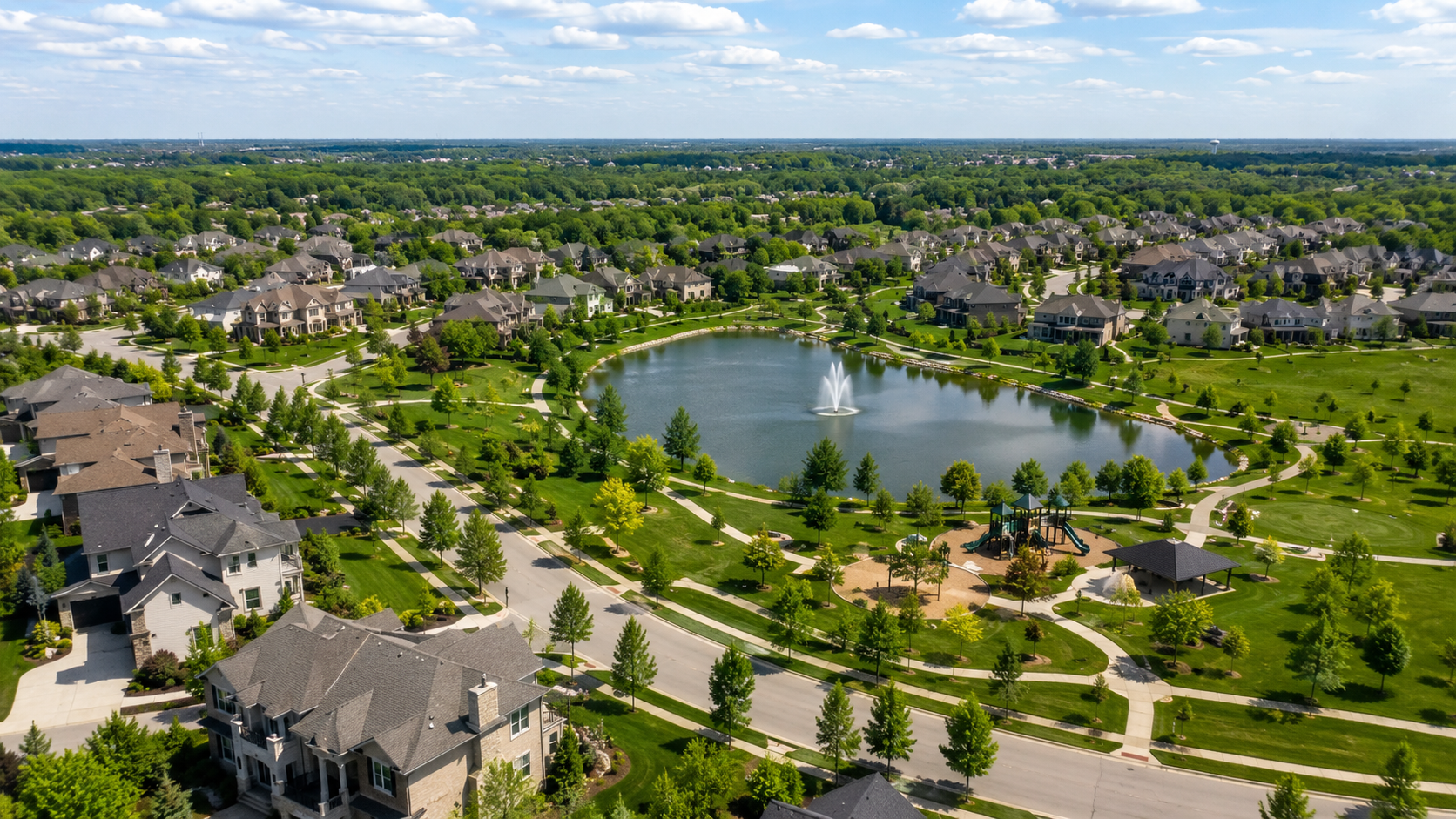
Naperville has long been recognized as one of the most desirable communities in Illinois. Known for its award-winning schools, extensive park system, vibrant downtown, and strong sense of community, Naperville continues to attract buyers seeking both established neighborhoods and newly built homes.
For buyers considering new construction, choosing the right community is often just as important as selecting the right builder or floor plan.
Every new construction community offers its own unique combination of location, amenities, schools, lot sizes, homeowner association requirements, and lifestyle opportunities.
Understanding these factors can help buyers identify the community that best fits their needs and long-term goals.
Why Community Selection Matters
When building a new home, buyers often focus heavily on:
- Floor plans
- Builders
- Upgrades
- Design selections
While these decisions are important, the community itself will influence your daily life for years to come.
The right community can impact:
- Commute times
- School options
- Recreation opportunities
- Property values
- Future resale potential
- Overall quality of life
Unlike flooring or countertops, your community cannot be changed after closing.
Why Buyers Choose Naperville
Naperville consistently ranks among the top places to live in Illinois due to its combination of amenities, schools, transportation access, and overall quality of life.
Many buyers are attracted by:
Highly Rated Schools
Naperville is primarily served by:
- Naperville Community Unit School District 203
- Indian Prairie School District 204
These school districts are frequently among the most sought-after in the region.
Extensive Park System
The Naperville Park District offers:
- Parks
- Walking trails
- Sports facilities
- Recreation programs
- Community events
Access to outdoor recreation remains a major draw for many families.
Downtown Naperville
Downtown Naperville features:
- Restaurants
- Shopping
- Entertainment
- Seasonal events
- Riverwalk access
The downtown area continues to be one of the community's most desirable attractions.
Transportation Access
Naperville offers convenient access to:
- Interstate 88
- Interstate 55
- Metra commuter rail service
- Major employment centers
Many buyers appreciate the balance between suburban living and regional accessibility.
Understanding Different Types of New Construction Communities
Not all communities are designed for the same type of buyer.
Understanding the differences can help narrow your search.
Traditional Single-Family Communities
These neighborhoods typically feature:
- Detached homes
- Private yards
- Family-oriented layouts
- Neighborhood streets
- Community parks
These communities remain popular among move-up buyers and growing families.
Luxury New Construction Communities
Luxury communities often include:
- Larger homesites
- Higher-end finishes
- Custom design options
- Premium architectural standards
These neighborhoods frequently attract buyers seeking greater customization and larger homes.
Maintenance-Free Communities
Some developments offer reduced maintenance responsibilities.
Potential benefits include:
- Lawn care services
- Snow removal
- Common area maintenance
These communities often appeal to busy professionals and downsizing homeowners.
Townhome and Attached Housing Communities
Attached housing developments may provide:
- Lower maintenance requirements
- Smaller footprints
- Community amenities
- Convenient locations
These communities can be attractive to first-time buyers, empty nesters, and buyers seeking simplified living.
Factors to Consider When Comparing Communities
Every buyer has different priorities.
When evaluating communities, consider the following factors.
School Boundaries
School assignments can influence:
- Daily routines
- Educational opportunities
- Future resale value
Always verify school boundaries directly with the school district, as attendance boundaries can change.
Commute Times
Visit communities during normal commuting hours whenever possible.
Evaluate:
- Traffic patterns
- Highway access
- Train station proximity
- Travel times to work
A beautiful home can become less appealing if the daily commute becomes burdensome.
Future Development Plans
One of the most overlooked factors in community selection is future development.
Ask questions such as:
- Will additional phases be built?
- Is nearby land protected?
- Are commercial developments planned?
- Will future roads be added?
Future growth can affect views, privacy, traffic, and overall neighborhood character.
Scott's Tip
Always ask to see the builder's future development plan and any available municipal development information before selecting a lot.
Community Amenities
Amenities vary significantly from one development to another.
Potential amenities may include:
- Walking trails
- Parks
- Clubhouses
- Swimming pools
- Fitness facilities
- Tennis courts
- Pickleball courts
- Community gathering spaces
Some buyers rarely use community amenities, while others consider them a major priority.
Understanding HOA Fees
Many new construction communities include homeowner associations.
HOA fees may support:
- Common area maintenance
- Landscaping
- Snow removal
- Amenities
- Community infrastructure
Buyers should understand:
- Current HOA fees
- HOA rules
- Architectural guidelines
- Future assessment potential
Review association documents carefully before purchasing.
Lot Sizes and Privacy
Communities vary significantly regarding lot size and spacing between homes.
Consider:
- Backyard size
- Side-yard spacing
- Privacy considerations
- Outdoor living opportunities
A larger lot may provide greater flexibility for future landscaping, patios, pools, or recreational activities.
Resale Value Considerations
While buyers should primarily choose a community that fits their lifestyle, future resale value should also be considered.
Factors that often contribute to long-term marketability include:
- School district reputation
- Community appearance
- Location
- Transportation access
- Lot quality
- Builder reputation
Strong communities often maintain buyer demand regardless of changing market conditions.
Visiting Communities Before Making a Decision
Online research is valuable, but nothing replaces visiting a community in person.
Visit at different times of day to evaluate:
- Traffic levels
- Noise levels
- Community activity
- General atmosphere
Walking the neighborhood can provide insights that are difficult to obtain online.
Questions Every Buyer Should Ask
Before selecting a community, ask:
- What schools serve the neighborhood?
- What HOA fees apply?
- What amenities are included?
- What future development is planned?
- Are there lot premiums?
- What builders are available?
- Are there architectural restrictions?
The answers can help identify potential concerns before construction begins.
New Construction Outside Naperville
Some buyers discover that neighboring communities may offer additional new construction opportunities.
Nearby areas often considered include:
- Aurora
- Plainfield
- Oswego
- Warrenville
- Lisle
- Bolingbrook
Each community offers unique advantages depending on budget, schools, commute preferences, and lifestyle goals.
Finding the Right Community for Your Lifestyle
The best community is not necessarily the newest, largest, or most expensive.
The best community is the one that aligns with your:
- Lifestyle
- Budget
- Commute requirements
- Family needs
- Long-term plans
Taking time to evaluate multiple communities can help ensure you're making the right decision.
Scott's Tip
I encourage buyers to create a ranked list of priorities before touring communities. Knowing what matters most helps eliminate distractions and makes the decision-making process easier.
Final Thoughts
Choosing the right new construction community is one of the most important decisions you'll make during the home-building process.
The builder, floor plan, and upgrades are important, but the community itself will shape your daily experience long after construction is complete.
By evaluating schools, amenities, transportation access, HOA requirements, lot sizes, future development plans, and long-term resale potential, buyers can make informed decisions that support both their lifestyle and financial goals.
The right community creates the foundation for years of enjoyment and successful homeownership.
Chapter 12
Work With a Local New Construction Expert
Building a new construction home is one of the most exciting and rewarding experiences in real estate.
It is also one of the most complex.
Throughout this guide, we've explored the many decisions buyers face during the home-building process, including:
- Choosing the right builder
- Selecting the best homesite
- Understanding builder contracts
- Prioritizing upgrades
- Budgeting for hidden costs
- Financing new construction
- Scheduling inspections
- Understanding warranty coverage
- Avoiding common mistakes
- Evaluating communities
Each decision can impact your experience, your finances, and your long-term satisfaction with your new home.
The more informed you are before construction begins, the better prepared you'll be to make confident decisions throughout the process.
Why Professional Guidance Matters
Many buyers assume that purchasing a new construction home is simpler than buying an existing home.
In reality, new construction often involves more decisions, more paperwork, and more opportunities for costly mistakes.
The builder's sales representative is an important resource, but it's important to remember that they work for the builder.
Their responsibility is to represent the builder's interests.
Having your own experienced real estate professional can provide valuable guidance throughout every stage of the process.
How a New Construction Specialist Can Help
An experienced real estate professional can help buyers:
Compare Builders
Not all builders offer the same level of quality, service, communication, or warranty support.
Understanding the differences can help buyers make more informed decisions.
Evaluate Communities
Every community offers unique advantages.
Professional guidance can help buyers evaluate:
- Schools
- Commute times
- Amenities
- HOA requirements
- Future development plans
- Long-term resale potential
Analyze Lot Selection
The lot you choose can influence:
- Privacy
- Backyard usability
- Views
- Future value
Professional guidance can help identify opportunities and avoid potential concerns.
Review Builder Contracts
Builder contracts differ significantly from traditional real estate contracts.
Understanding key provisions before signing can help buyers avoid misunderstandings later.
Coordinate Inspections
Independent inspections provide an important layer of protection throughout construction.
Professional guidance can help buyers understand:
- Inspection timing
- Inspector selection
- Common findings
- Builder responses
Evaluate Upgrade Decisions
Builders offer countless upgrade opportunities.
Understanding where to spend and where to save can help buyers maximize value while staying within budget.
The Value of Experience
Building a home is not something most buyers do frequently.
Questions often arise regarding:
- Financing
- Construction timelines
- Design selections
- Warranty concerns
- Builder communication
- Closing procedures
Having an experienced professional available to answer questions and provide guidance can make the process significantly less stressful.
Scott's Tip
The best time to involve a real estate professional is before your first visit to a builder's model home. Early guidance often creates the greatest benefit throughout the building process.
Why Buyers Choose Naperville
Naperville continues to attract buyers from throughout the Chicago metropolitan area because of its exceptional quality of life.
Many families choose Naperville for:
- Highly rated schools
- Beautiful neighborhoods
- Extensive parks and recreation
- Convenient transportation access
- Vibrant downtown district
- Strong community atmosphere
New construction opportunities throughout Naperville and surrounding communities provide buyers with a variety of options depending on their lifestyle, budget, and long-term goals.
Building a Home Should Be Exciting
While building a home involves many decisions, it should ultimately be an enjoyable experience.
The right preparation, realistic expectations, and professional guidance can help reduce uncertainty and improve confidence throughout the process.
Whether you're purchasing your first home, relocating to Naperville, moving up to a larger property, downsizing, or building your forever home, understanding the process can help you make better decisions and avoid unnecessary stress.
About Scott Gerami
Scott Gerami has been helping buyers and sellers throughout Naperville and Chicago's western suburbs since 1987.
As Managing Broker of Real Time Realty, Scott has guided clients through virtually every type of real estate transaction, including:
- New construction homes
- Existing homes
- Luxury properties
- Relocation purchases
- Investment properties
- Foreclosures and short sales
Scott's approach is built on education, communication, and helping clients make informed decisions based on their individual needs and goals.
Whether you're just beginning your research or preparing to sign a builder contract, Scott is available to help you navigate the process with confidence.
Ready to Explore New Construction Homes in Naperville?
If you're considering building a new home and would like professional guidance throughout the process, Scott would be happy to help.
Services include:
- Builder comparisons
- Community evaluations
- Lot selection assistance
- Contract guidance
- Upgrade consultation
- Inspection coordination
- Financing referrals
- Ongoing support from contract through closing
Contact Scott Gerami
Scott Gerami
Managing Broker | Real Time Realty
Phone: 630-357-4800
Website: https://www.ScottGerami.com
Continue Your Research
You may also find these resources helpful:
- How to Choose the Best New Construction Builder in Naperville IL
- How to Choose the Right Lot When Building a New Home
- Understanding Builder Contracts
- The Ultimate New Construction Upgrade Guide
- Hidden Costs of Building a New Home
- Financing New Construction in Naperville
- New Construction Inspections Buyers Should Never Skip
- Builder Warranties Explained
- Common Mistakes New Construction Buyers Make
- New Construction Communities in Naperville IL
The more informed you are, the more successful your new construction experience is likely to be.
Thank you for reading The Complete Guide to Buying & Building New Construction in Naperville IL. We hope this resource helps you make informed decisions and confidently navigate the journey to your new home.